

Planning to build a mobile app in Malaysia but unsure how much to set aside? You’re not alone. One of the biggest challenges for businesses, especially SMEs is estimating app development costs accurately before starting a project.
The truth is, there’s no fixed price. Costs can vary widely depending on what you want to build, how complex it is and who you hire. This guide breaks everything down in a simple, practical way so you can plan your budget with confidence.
How Much Should You Expect to Spend?

In Malaysia, developing a custom mobile application typically falls within a broad price range—from around RM30,000 to RM500,000 or more.
Where your project lands within that range depends on several key elements, including functionality, design quality and technical requirements. It’s also important to remember that development isn’t the only cost as testing, updates and ongoing support should be part of your budget too.
What Actually Drives App Development Costs?
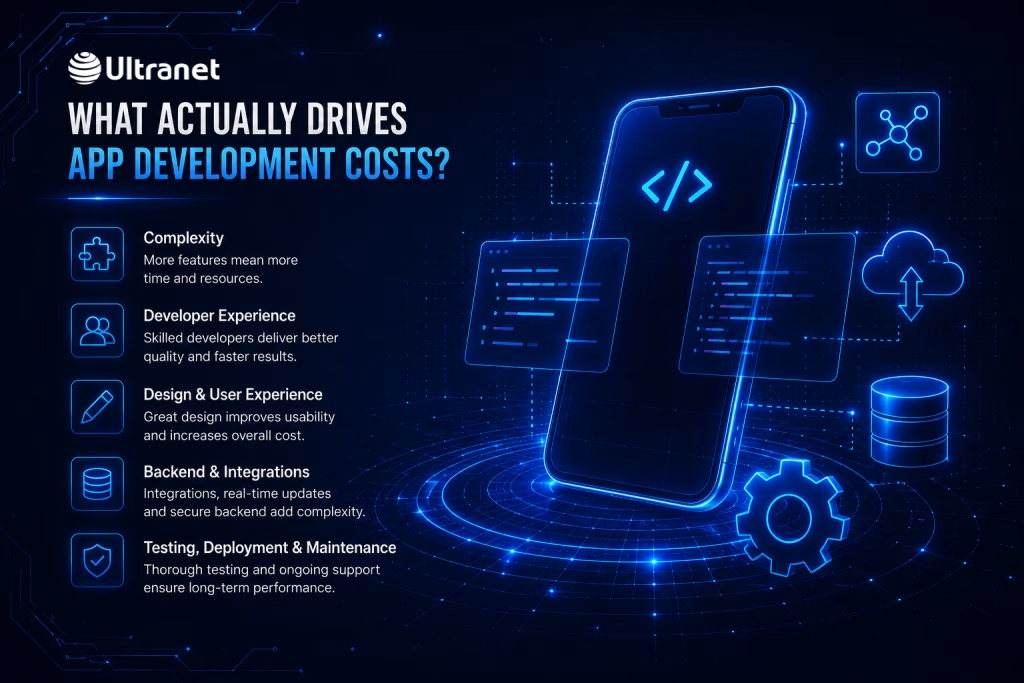
Understanding what influences pricing can help you avoid underestimating your budget. Here are the main factors that determine how much your app will cost.
1. The Complexity of Your App
The more features your app has, the more time and resources it will require.
- Basic apps
Simple tools or content-based apps with limited functionality tend to be the most affordable. - Moderately complex apps
Apps that include features like user accounts, booking systems or database integration fall into a mid-range category. - Super apps
Apps that combine multiple features such as payment, booking, loyalty, delivery or user management require a higher development budget.
2. The Experience Level of Your Developers
The skill level of your development team plays a big role in both cost and quality.
In Malaysia, experienced app developers, especially those working with Swift (programming language), typically charge higher hourly rates. While this increases initial costs, it often results in better code quality, fewer bugs and faster delivery.
Choosing a highly skilled team is especially important for apps that require complex integrations or advanced features.
3. Design and User Experience
A well-designed app isn’t just visually appealing, it directly impacts how users interact with your product.
Custom design work that follows Apple Human Interface Guidelines can significantly improve usability but also adds to the total cost. This includes:
- Creating detailed wireframes
- Designing intuitive navigation
- Ensuring compatibility across different screen sizes
Although design may increase your budget, it often leads to better user retention and higher app store ratings.
4. Backend Systems and Integrations
Behind every functional app is a backend system that handles data, authentication and communication.
If your app includes features like:
- Payment systems (e.g., Apple Pay)
- Real-time updates
- Third-party integrations
then additional backend development is required. This can noticeably increase costs, especially when security and scalability are priorities.
5. Testing, Deployment and Maintenance
Before your app is launched, it needs to go through rigorous testing to ensure it works smoothly across devices.
After launch, ongoing maintenance is equally important. This includes:
- Fixing bugs
- Updating for new iOS & Android versions
- Improving features based on user feedback
These ongoing efforts are often overlooked but can account for a significant portion of your overall investment.
A Simple Way to Understand Cost Breakdown
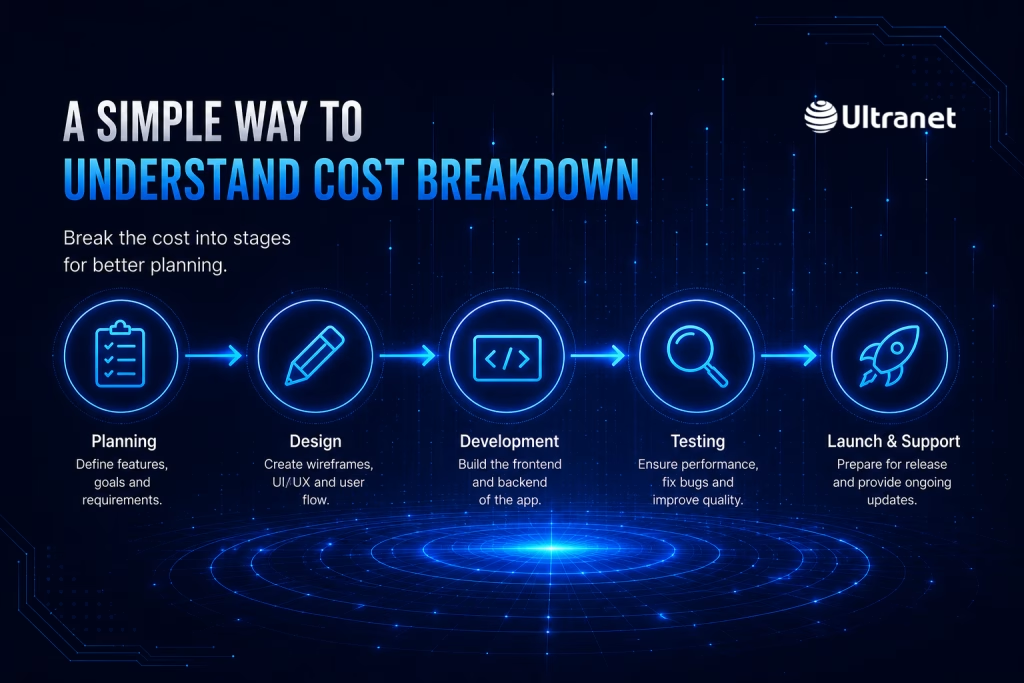
Instead of thinking about cost as a single number, it helps to break it into stages.
A typical app project includes:
- Planning phase – defining features and goals
- Design phase – creating the app’s interface and user flow
- Development phase – building the frontend and backend
- Testing phase – ensuring performance and reliability
- Launch and support – preparing for release and ongoing updates
Each stage requires time, expertise and resources, which all contribute to the final cost.
Step-by-Step: How to Estimate Your App Budget
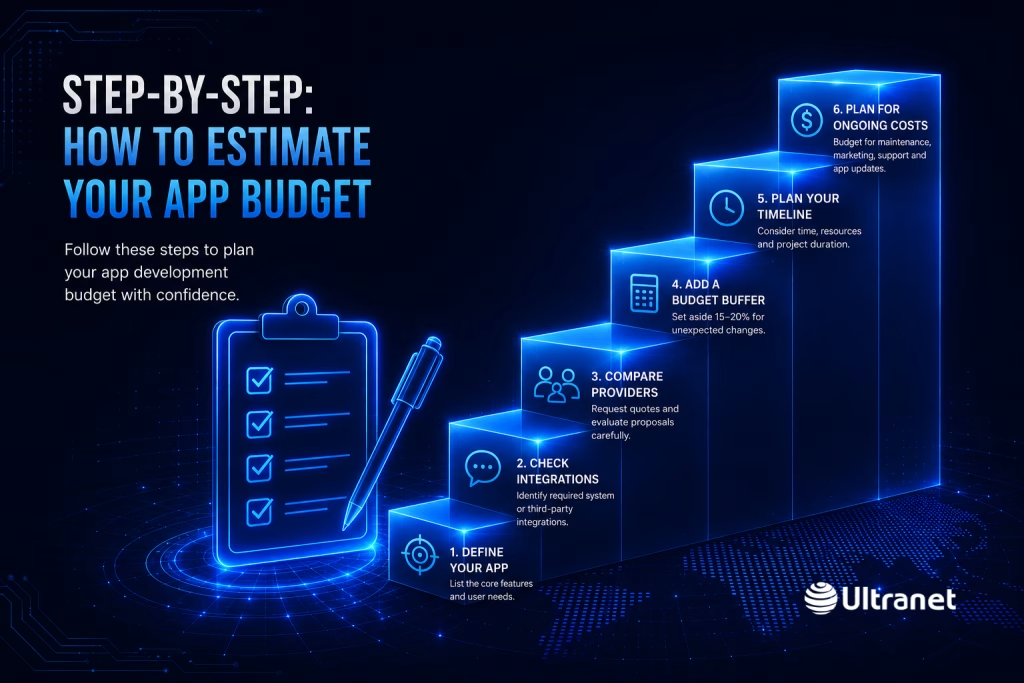
If you’re unsure where to start, follow this practical process to get a realistic estimate.
Step 1: Clearly Define What You Want to Build
Start by listing the core features your app must have. Think about what your users need, such as login systems, payment options or messaging features.
The clearer your requirements, the easier it is for developers to provide accurate quotes.
Step 2: Identify Whether System Integration Is Needed
Check whether the app needs to connect with any existing system or third-party platform, such as payment gateway, POS system, CRM, ERP, booking system, membership system, courier system or WhatsApp notification.
If integration is required, the development cost may be higher because the developer needs to study the API, connect the systems, test the data flow, and make sure everything works smoothly.
Step 3: Compare Multiple Development Providers
Don’t settle for the first quote you receive. Reach out to several agencies and compare their proposals carefully.
Step 4: Set Aside a Buffer for Unexpected Changes
App development rarely goes exactly as planned. New ideas, feature changes or technical adjustments may arise during the process.
Setting aside an extra 15 – 20% of your budget can help you manage these changes without stress.
Step 5: Consider Your Timeline
The faster you want your app completed, the more resources may be required.
Most projects in Malaysia take around three to six months. Shorter timelines may increase costs due to additional manpower or extended working hours.
Step 6: Don’t Forget Ongoing Expenses
Beyond development, there are recurring costs to keep your app running.
For example, enrolling in the Apple Developer Program requires an annual fee. You may also need to budget for:
- Marketing and user acquisition
- Customer support
- App updates and improvements
These ongoing costs are essential for long-term success.
Final Thoughts

Estimating the cost of building an app in Malaysia isn’t just about getting a number, it’s about understanding the full journey from idea to launch and beyond.
By considering factors like complexity, design, backend systems and long-term maintenance, you can create a realistic budget and avoid unexpected surprises.
Most importantly, choosing the right development partner such as Ultranet and planning carefully will ensure your investment delivers real value, not just a finished app, but a successful digital product.
Speak with Ultranet’s mobile app development team to discuss your requirements, recommended features, development timeline and estimated project cost. Chat with us to get started.
Frequently Asked Questions (FAQ)
1. How much does it cost to build a mobile app in Malaysia?
The cost of mobile app development in Malaysia can range from around RM30,000 to RM500,000 or more. The final price depends on factors such as app complexity, features, design requirements, backend development, third-party integrations and ongoing maintenance.
2. How long does it take to develop a mobile app?
Most mobile app development projects take approximately three to six months. Simple apps may take less time, while complex applications with custom features, multiple integrations and advanced backend systems may require a longer development timeline.
3. What factors affect mobile app development costs?
The main factors include the complexity of the app, number of features, UI/UX design requirements, development platform, backend infrastructure, system integrations, testing and ongoing maintenance. Features such as payment gateways, real-time updates and third-party integrations can also increase development costs.
4. Can my mobile app integrate with existing business systems?
Yes. Mobile apps can be integrated with systems such as CRM, ERP, POS, payment gateways, booking platforms, membership systems, courier services and other third-party platforms. The cost and development time will depend on the availability and complexity of the required APIs.
5. How can I get an accurate quotation for my mobile app?
The best way to receive an accurate quotation is to prepare a clear list of your required features, target platforms, system integrations and business objectives. A mobile app development company can then assess the project requirements and provide a more realistic cost estimate and development timeline.