


When a mobile app or software product finally goes live, it’s easy to celebrate and assume the toughest part is done. But at Ultranet Technologies, we know that launch day is not the finish line, it’s just the starting point of a much longer journey.
What happens after deployment plays a huge role in determining whether your product thrives or quietly fails. For businesses and software providers in Malaysia, focusing on post-launch support isn’t optional but it’s essential for staying competitive and earning user trust.
Launch Isn’t the End — It’s the Beginning
Once software is released to real users, it enters an unpredictable environment. Unlike testing phases, live systems must deal with diverse devices, network conditions and user behaviours.
This is where post-launch support comes in. It involves continuous efforts to keep the software running smoothly, secure it from threats and improve it based on actual usage.
Instead of treating delivery as a one-time milestone, experienced teams treat it as the start of ongoing product management.
What Happens Behind the Scenes After Deployment?
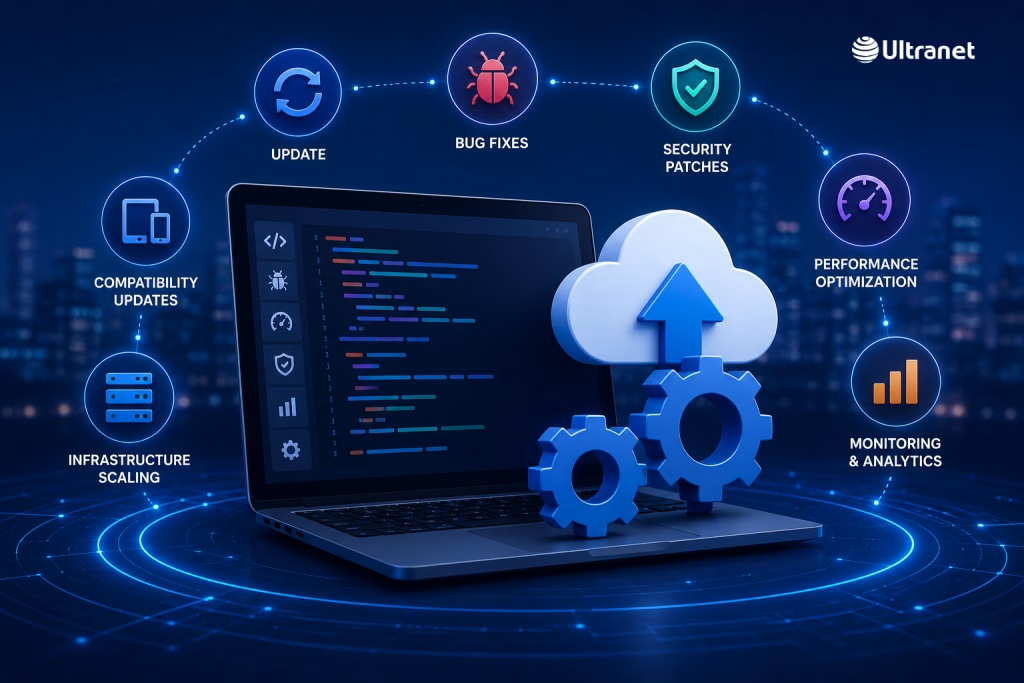
After going live, several critical activities quietly take place to ensure your system remains reliable. At Ultranet Technologies, these include:
- Updating the application to keep up with operating system changes and user expectations
- Resolving bugs that only appear in real-world usage
- Strengthening security by patching vulnerabilities and reviewing system access
- Improving speed and responsiveness through performance optimisation
- Monitoring system health, tracking errors and responding to incidents
- Preparing the system to handle growth, including sudden spikes in traffic
For example, during a major promotion or ticket sale, a poorly prepared system may crash under pressure. With proper scaling strategies, however, the system can continue operating smoothly even during peak demand.
To manage all of this effectively, companies usually assign a dedicated support team responsible for monitoring, updates and issue resolution, ensuring problems are handled quickly and professionally.
Why Ongoing Support Matters More Than You Think

No matter how well software is tested before launch, real users will always uncover unexpected issues. Devices vary, usage patterns differ and new challenges emerge once the product is live.
Post-launch support is critical because it protects three key areas:
1. Reliable Performance
Continuous monitoring ensures the software remains fast and stable, even as usage grows.
2. User Satisfaction
Listening to user feedback and making improvements helps retain customers and build loyalty.
3. Data Security
Regular updates and system checks reduce the risk of breaches and protect sensitive information.
Consider a local Malaysian app that gains popularity shortly after release. If login issues appear on certain devices or a security flaw is discovered, a prepared support team can resolve these problems quickly, preventing negative reviews and loss of users.
The Real Cost of Ignoring Maintenance
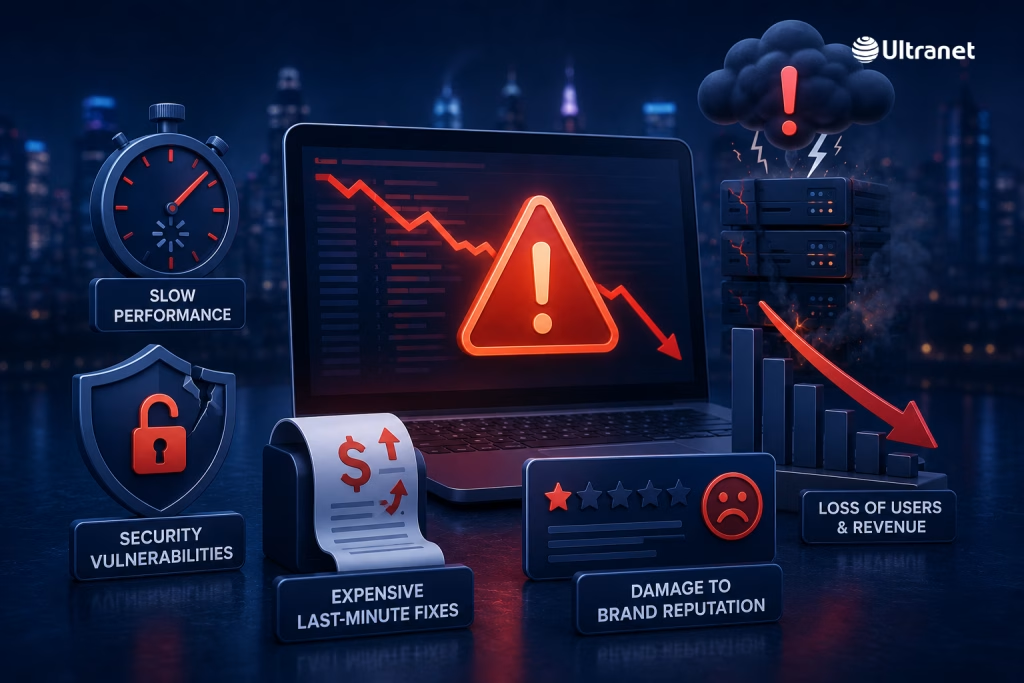
Skipping post-launch support might seem like a way to save money, but it often leads to bigger problems later.
As systems age and technologies evolve, neglecting maintenance can result in:
I. Slower Performance
Applications may become laggy or unstable, frustrating users and driving them away.
II. Security Vulnerabilities
Outdated components can expose the system to cyber threats.
III. Expensive Last-Minute Fixes
Emergency solutions are often more costly and disruptive than planned maintenance.
IV. Damage to Brand Reputation
Negative user experiences can quickly turn into poor reviews and reduced trust.
Real-world examples include apps crashing after system updates, platforms being hacked due to unpatched issues, or systems slowing down as user numbers grow—forcing expensive rebuilds.
Security Doesn’t Stop at Launch

Once a system is live, it becomes a target for potential cyber threats. This means security must be continuously managed, not treated as a one-time task.
Common risks include outdated software components, weak access controls, insecure APIs and misconfigured systems.
To address these risks, strong teams follow consistent practices such as:
- Running regular security checks
- Updating and patching vulnerabilities
- Reviewing user access and authentication systems
- Monitoring unusual activity in real time
Since most attacks focus on backend systems, close monitoring of server behaviour and API activity is essential for early detection and prevention.
How Strong Teams Approach Maintenance
Reliable software providers don’t wait for users to report issues, they work to prevent problems before they happen.
Maintenance is typically divided into two approaches:
Preventive Maintenance
This includes monitoring systems, updating dependencies, and optimising performance regularly to avoid disruptions.
Reactive Support
When issues do arise, teams respond quickly with fixes, identify root causes, and communicate clearly with stakeholders.
For instance, instead of waiting for complaints about slow performance, proactive teams identify bottlenecks early and fix them before users are affected.
Common Support Options for Businesses
In Malaysia, businesses usually choose from several types of support models depending on their needs:
- Ongoing service plans that provide regular updates and monitoring
- Pay-as-needed support for occasional fixes
- Long-term collaboration with a dedicated team handling both maintenance and future development
For products that directly impact customers, having a reliable long-term partner is often the most effective approach.
How Do You Know If Your Software Is Performing Well?
Success after launch isn’t measured by whether the app works, it’s measured by how well it performs over time.
Key indicators include:
- System uptime and how quickly issues are resolved
- Application speed and stability
- User retention and engagement levels
- Conversion rates for important actions
- How quickly user feedback is addressed
Teams rely on analytics tools to track these metrics, helping them make data-driven decisions rather than relying on assumptions.
Why Continuous Improvement Is the Key to Growth

Instead of releasing large updates occasionally, modern teams focus on small, frequent improvements. This approach reduces risk and allows changes to be tested and refined quickly.
Over time, this creates a better user experience while maintaining system stability.
Malaysia’s Growing Strength in Long-Term Software Support
Malaysia has become a strong hub for software development, offering a balance of affordability and skilled talent. Many companies are not only capable of building software but also of maintaining and improving it over time.
For businesses looking for long-term success, working with a Malaysian development team can provide consistent support, reliable performance, and continuous innovation.
Common Questions
1. Is it really necessary to monitor software after launch?
Absolutely. Monitoring helps identify issues early before they impact users or business performance.
2. How does support differ from development?
Development focuses on building the system, while support ensures it continues to function, improve, and stay secure.
3. How do companies prepare for future growth?
They analyse user behaviour, plan updates strategically, and scale infrastructure as demand increases.
4. Why is ongoing support important for client relationships?
Consistent support builds trust, ensures reliability, and encourages long-term partnerships.