
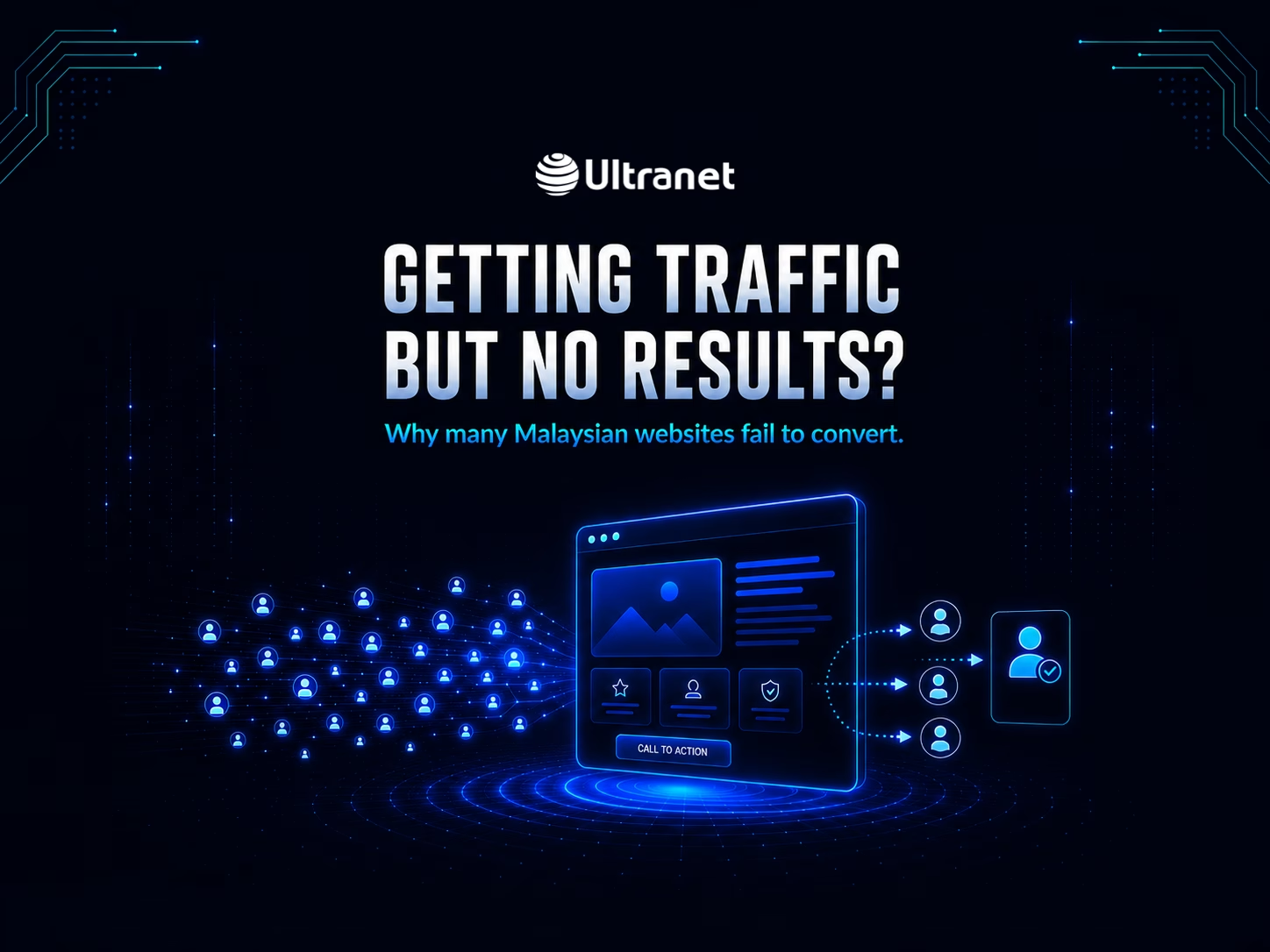
A low website conversion rate can be frustrating, especially when your website is already attracting traffic. Many Malaysian businesses assume that low sales or enquiries are caused by a lack of visitors, but in reality, a different problem is often at play.
Visitors are coming to the website—but they’re not taking action.
This is a common issue across Malaysia, whether you run an SME, an online store, or a service-based business. People browse, scroll, and leave without making enquiries, purchases, or contact.
The problem isn’t always visibility. More often, it’s the experience your website provides.
If your site doesn’t build trust or guide users clearly, even high traffic won’t translate into results.
What Does “Conversion” Actually Mean?
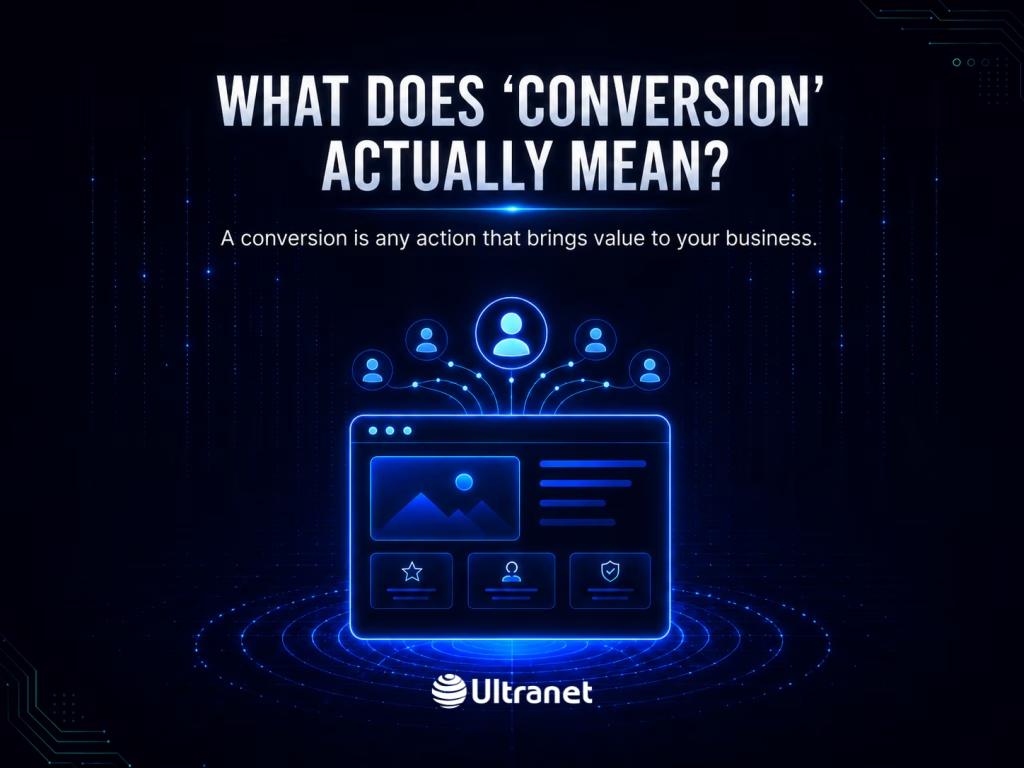 A conversion happens when a visitor takes an action that brings value to your business.
Depending on your business type, that action might be:
- Completing a purchase (for e-commerce)
- Submitting an enquiry form
- Booking a consultation or demo
- Calling your business or clicking WhatsApp
Metrics like page views or time spent on a site can be useful, but they don’t measure success directly. What really matters is whether users are moving closer to becoming customers.
Why More Traffic Isn’t Always the Solution
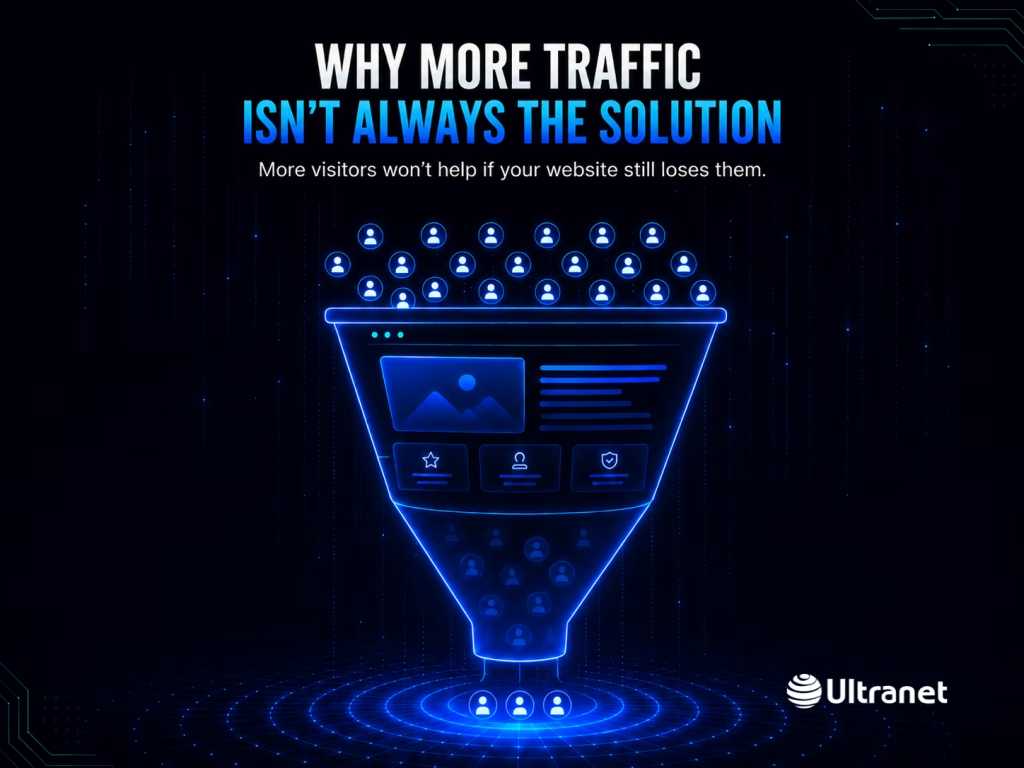
When performance drops, many businesses respond by increasing advertising spend to attract more visitors.
But this often doesn’t fix the issue.
If your website isn’t converting current visitors, bringing in more traffic simply increases missed opportunities. A poorly performing site will continue to lose potential customers—no matter how many people visit.
Instead of focusing only on traffic, it’s important to ask:
- What percentage of visitors are converting?
- Where are users leaving the site?
- Which pages are underperforming?
- What part of the journey feels confusing or frustrating?
The answers usually point back to user experience, messaging, or trust.
Poor User Experience Drives Visitors Away
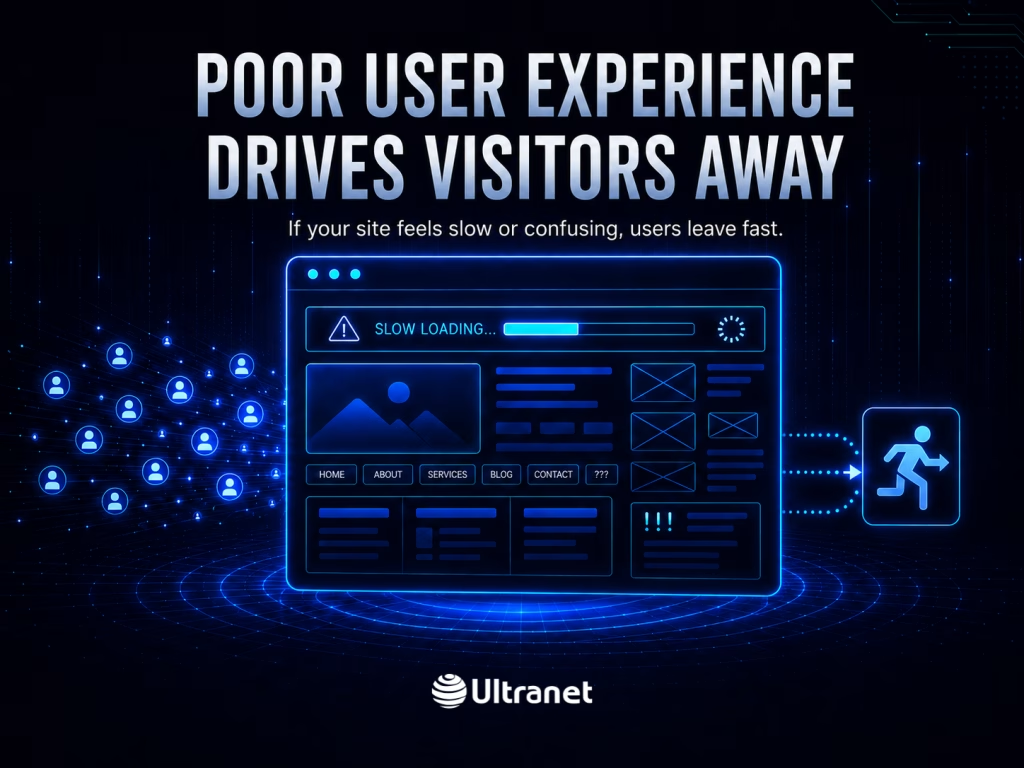
Online users in Malaysia tend to make quick decisions. If a website feels confusing or slow, they leave almost immediately.
Common issues include:
- Slow loading speeds
- Complicated navigation
- Too many choices on one page
- Cluttered layouts
- Poor content structure
When users can’t quickly understand what your business offers or what they should do next, they lose interest.
A good website should make decisions easy—not overwhelming.
Trust Is Often the Missing Piece
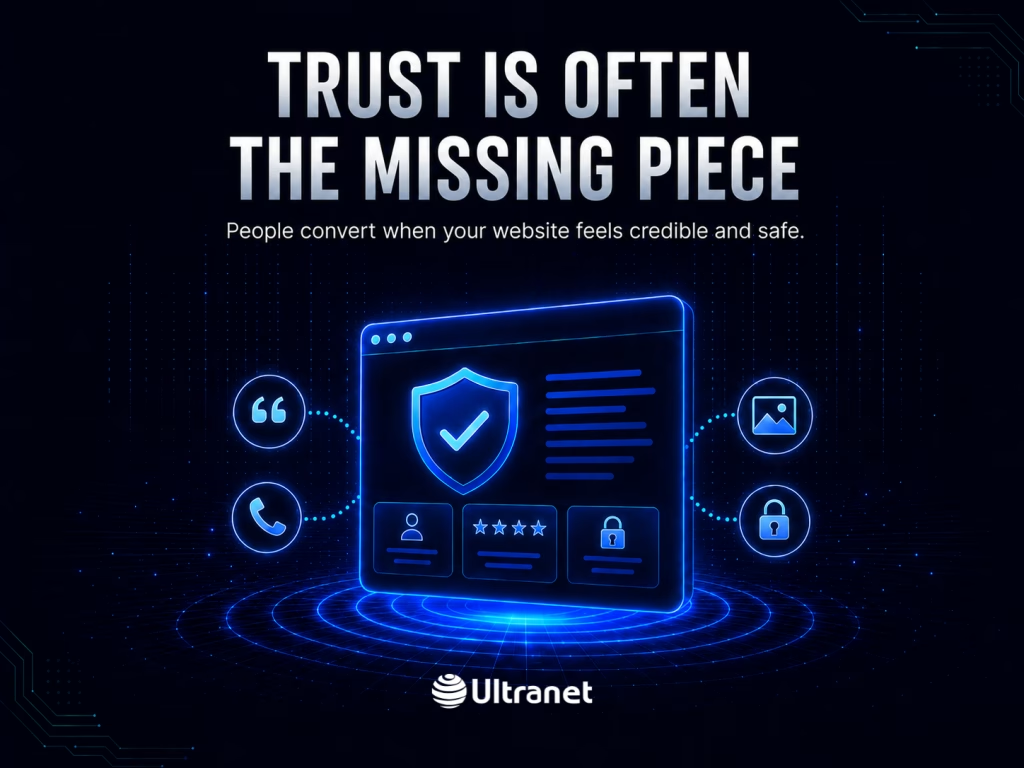
One of the biggest reasons visitors don’t convert is a lack of trust.
If your website doesn’t feel credible, users may hesitate—or leave entirely. In some cases, they may even question whether the business is legitimate.
Common trust issues include:
- No testimonials or customer reviews
- Missing contact details
- Outdated or unprofessional design
- Lack of security indicators
- Overuse of generic stock images
To build trust, your website should include:
- Real testimonials with names or photos
- Clear business contact information
- Authentic images of your team, office, or products
- Secure payment or form indicators
- Logos of past clients or media mentions
Trust plays a major role in whether users decide to take action—especially on their first visit.
Mobile Experience Is Critical

A large portion of users in Malaysia browse websites on their phones. Yet many websites are still not properly optimised for mobile use.
This creates a major barrier to conversion.
Common mobile issues include:
- Text that is too small to read
- Buttons that are hard to tap
- Slow loading times
- Broken forms
- Difficult navigation
A simple test is to visit your own site on a smartphone and try completing a key action. If it feels frustrating or unclear, your users are likely experiencing the same problem.
A strong mobile experience should feel smooth, fast, and easy from start to finish.
Weak Calls-to-Action Limit Results
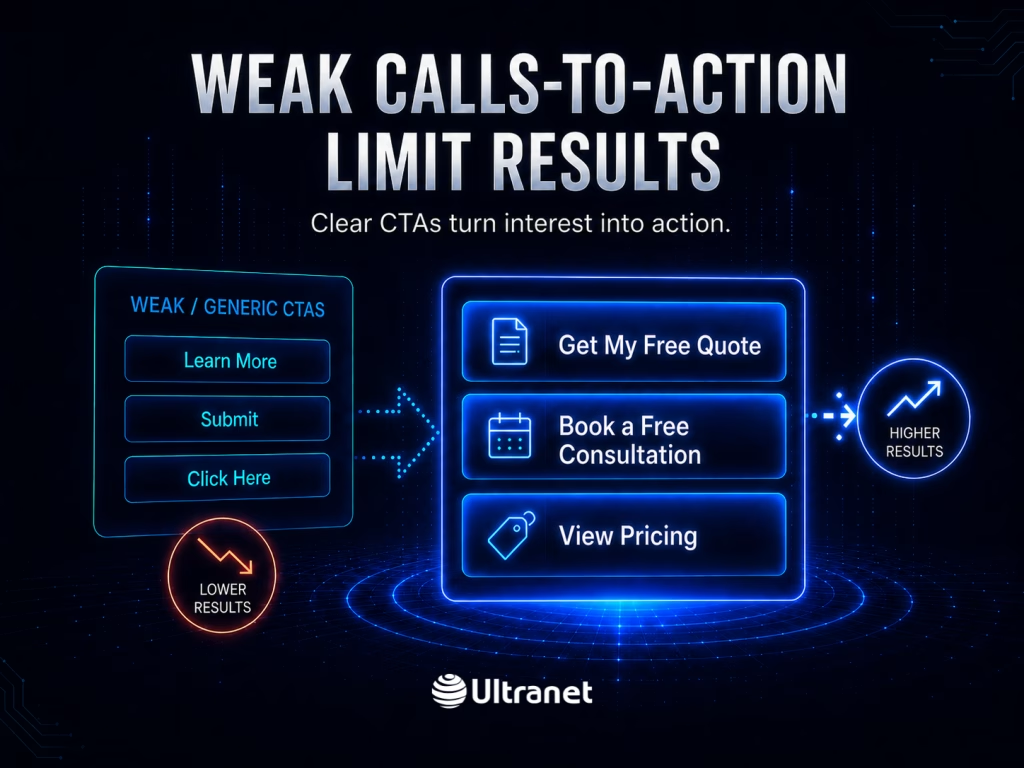
Your call-to-action (CTA) is where interest turns into action. If it’s unclear or unconvincing, users won’t take the next step.
Generic phrases like “Submit” or “Click Here” don’t communicate value.
More effective CTAs include:
- Get My Free Quote
- Book a Free Consultation
- View Pricing
- Start Your Free Trial
CTAs should be:
- Clear and action-focused
- Easy to find on the page
- Repeated at key points
- Designed for easy tapping on mobile
Users should always know exactly what will happen when they click.
Key Areas to Check If Your Website Isn’t Converting
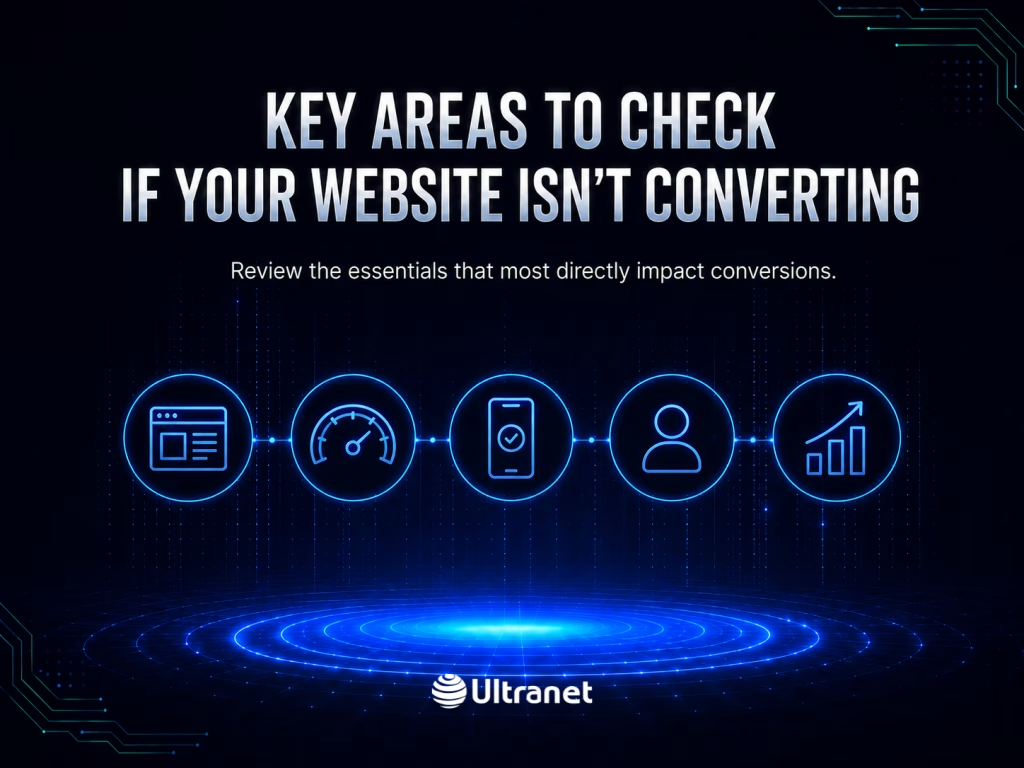
If your website isn’t delivering results, review these critical areas:
- Speed: Pages should load quickly to prevent users from leaving
- Trust signals: Reviews, contact details, and security indicators build confidence
- Mobile usability: The experience must be smooth on real devices
- Navigation: Users should find information easily
- Calls-to-action: Clear and compelling prompts are essential
- Forms: Keep them simple and easy to complete
- Social proof: Case studies, testimonials, and client logos add credibility
Even small improvements in these areas can significantly boost conversion rates.
Tools That Help You Understand User Behaviour
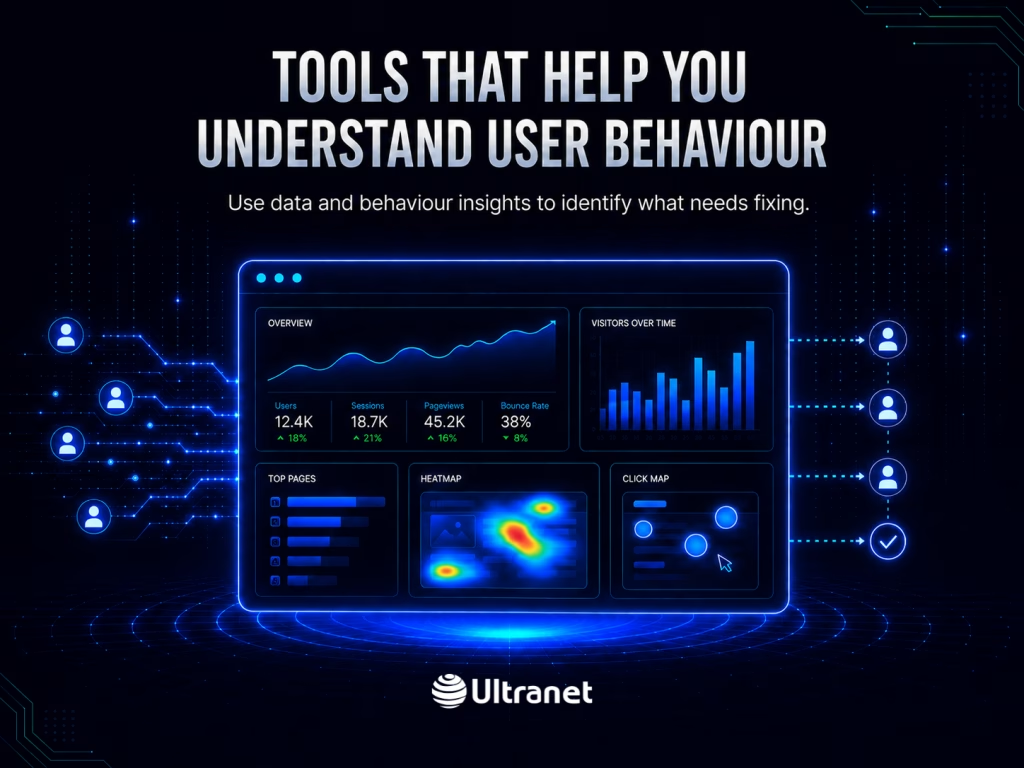
To improve your website, it helps to see how users actually interact with it.
Tools like Google Analytics and Google Search Console provide valuable insights into traffic and performance.
For deeper behaviour analysis, tools such as Hotjar and Microsoft Clarity show how users navigate your site, where they click, and where they lose interest.
These insights make it easier to identify and fix problem areas.
Improve Results Without Increasing Ad Spend
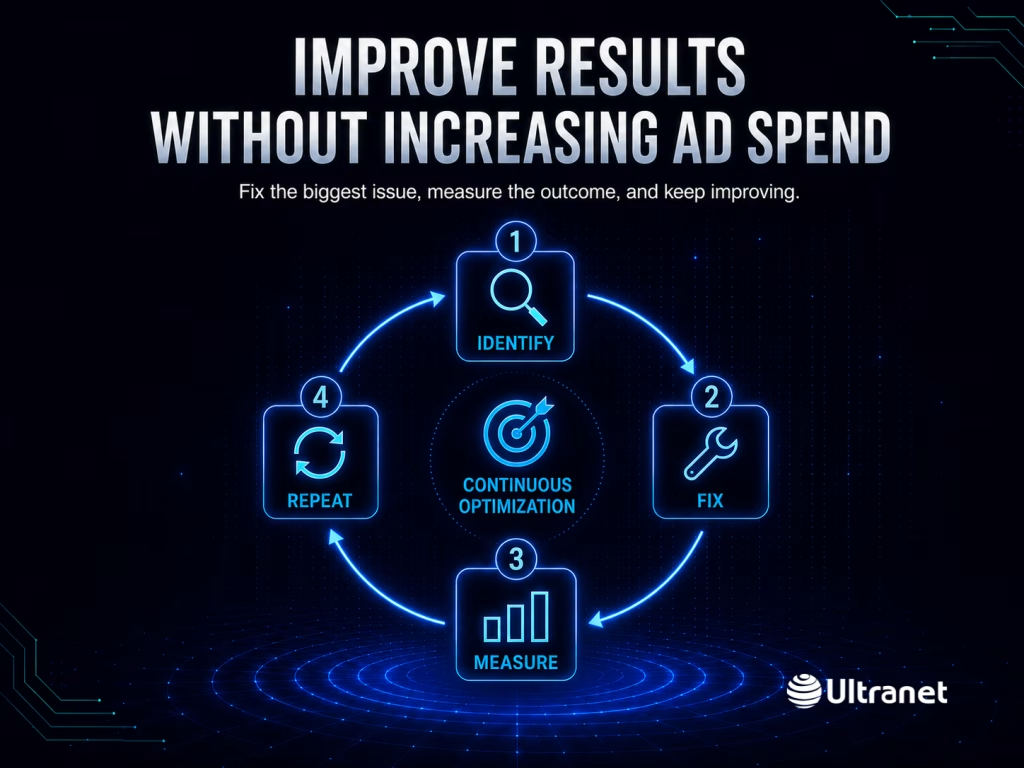
You don’t always need a full redesign to see better results.
In many cases, focusing on specific improvements can make a significant difference.
A smarter approach is to:
- Identify the biggest issue
- Fix it
- Measure the outcome
- Repeat the process
This step-by-step method leads to consistent, long-term improvement.
Final Thoughts
If your website attracts visitors but fails to generate leads or sales, the issue is rarely just marketing—it’s usually the website itself.
A strong website should guide users clearly, build trust quickly, and make taking action feel easy.
When those elements are missing, conversions will suffer—no matter how much traffic you bring in.
The good news is that improving performance doesn’t require guesswork. With the right focus and strategy, even small changes can lead to meaningful results.
Your website shouldn’t just exist—it should actively support your business growth.
Frequently Asked Questions (FAQ)
1. Why is my website getting traffic but no leads?
Your website may be attracting visitors but failing to convert them because of poor user experience, unclear messaging, weak calls-to-action, slow loading speeds, or a lack of trust signals. Improving these areas can help turn more website visitors into enquiries or customers.
2. What is a good website conversion rate?
Website conversion rates vary depending on the industry, traffic source, and type of conversion. Instead of focusing only on an industry benchmark, businesses should track their current conversion rate and continuously improve it through better content, usability, and calls-to-action.
3. How can I increase my website conversion rate?
Start by improving website speed, mobile usability, navigation, trust signals, forms, and calls-to-action. Analytics and behaviour-tracking tools can also help identify where visitors are leaving so you can focus on the areas that have the biggest impact.
4. Do I need more website traffic to generate more sales?
Not necessarily. If your existing visitors are not converting, increasing traffic may simply create more missed opportunities. Improving your website conversion rate first can help you generate better results from the traffic you already receive.
5. Do I need to redesign my entire website to improve conversions?
Not always. Issues such as unclear CTAs, complicated forms, weak messaging, poor navigation, and missing trust signals can often be improved without rebuilding the entire website. A full redesign may be more appropriate when there are deeper design, usability, or technical problems.