


With billions of users browsing the internet daily, having a strong online presence is no longer optional—it’s a necessity.
Today, a business website is often the first interaction customers have with your brand. Whether they’re browsing on a smartphone, tablet, or desktop, users expect a fast, responsive, and well-structured experience.
However, many people assume web development is just about creating something visually appealing. In reality, it’s a much deeper process that combines strategy, technology, and functionality to support real business growth.
What Does Web Development Actually Involve?
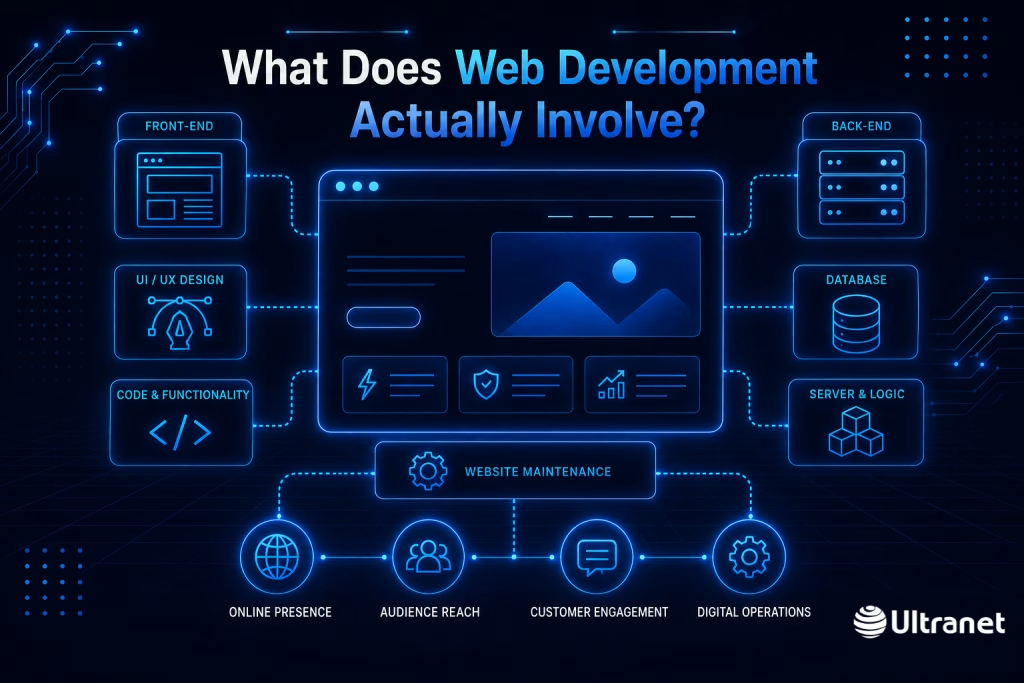
Web development refers to the process of building and maintaining websites or web-based systems.
It includes both:
- The visible interface users interact with
- The underlying systems that power the website
For businesses, web development plays a key role in:
- Establishing a credible online presence
- Reaching a broader audience
- Supporting marketing efforts
- Improving customer engagement
- Streamlining digital operations
A well-built website goes beyond appearance—it becomes a platform for generating leads, driving sales, and strengthening your brand.
Web Design vs Web Development: What’s the Difference?
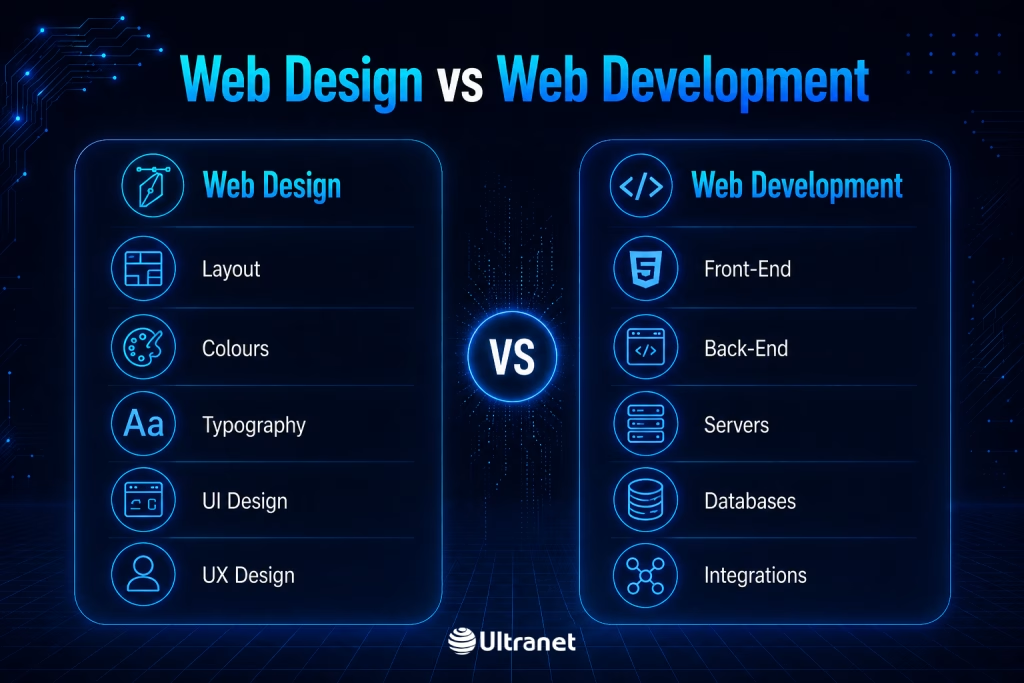
These two terms are often used interchangeably, but they serve different purposes.
Web Design
Web design focuses on how a website looks and feels.
It includes:
- Layout and structure
- Colours and typography
- User interface (UI)
- User experience (UX)
Designers create wireframes and visual concepts to define how users will interact with the site.
Web Development
Web development is the technical process of bringing those designs to life.
Developers handle:
- Front-end functionality (what users see)
- Back-end systems (servers and databases)
- Interactive features and integrations
A successful website requires both design and development working together seamlessly.
Types of Website Development Projects
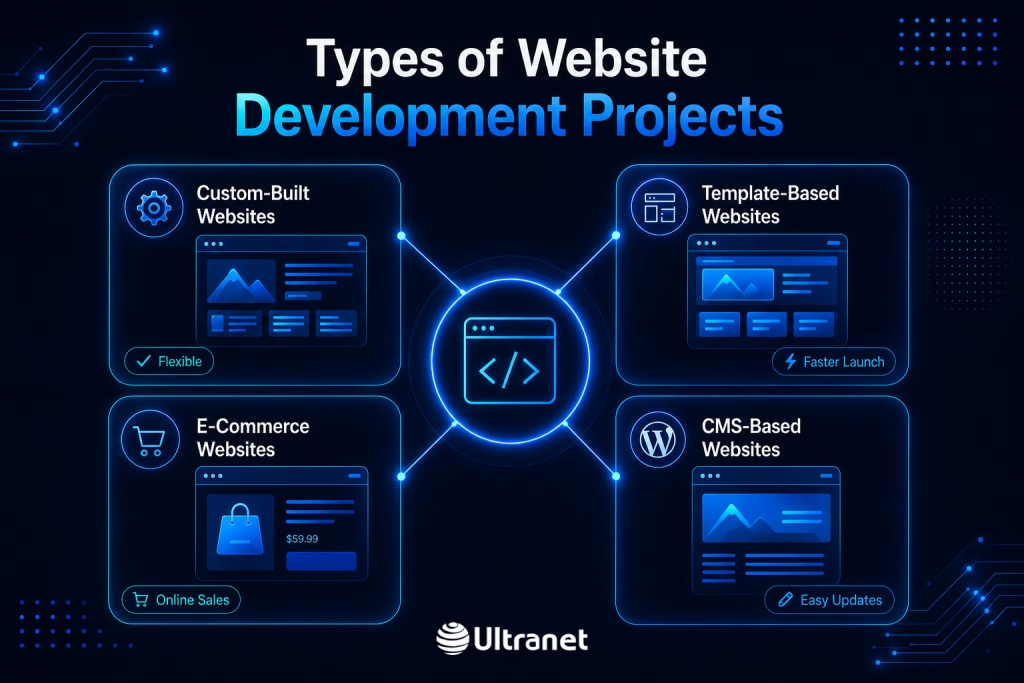
Different businesses require different types of websites depending on their goals and resources.
Custom-Built Websites
These are developed from scratch to meet specific business requirements.
Advantages:
- Unique design and branding
- High flexibility
- Scalable for future growth
- Tailored features
Template-Based Websites
These use pre-designed layouts that can be customised.
Advantages:
- Lower cost
- Faster to launch
- Suitable for simple websites
Limitations:
- Less flexibility
- May not scale well as the business grows
E-Commerce Websites
Online stores require additional functionality, such as:
- Product catalogues
- Shopping carts
- Payment gateway integration
- Order management systems
A good e-commerce site must also be user-friendly and optimised for conversions.
CMS-Based Websites
Content Management Systems (CMS) allow businesses to update content easily without coding knowledge.
Popular platforms include:
- WordPress
- Joomla
- Shopify
- Magento
Each platform offers different capabilities depending on your business needs.
Technologies Behind a Website
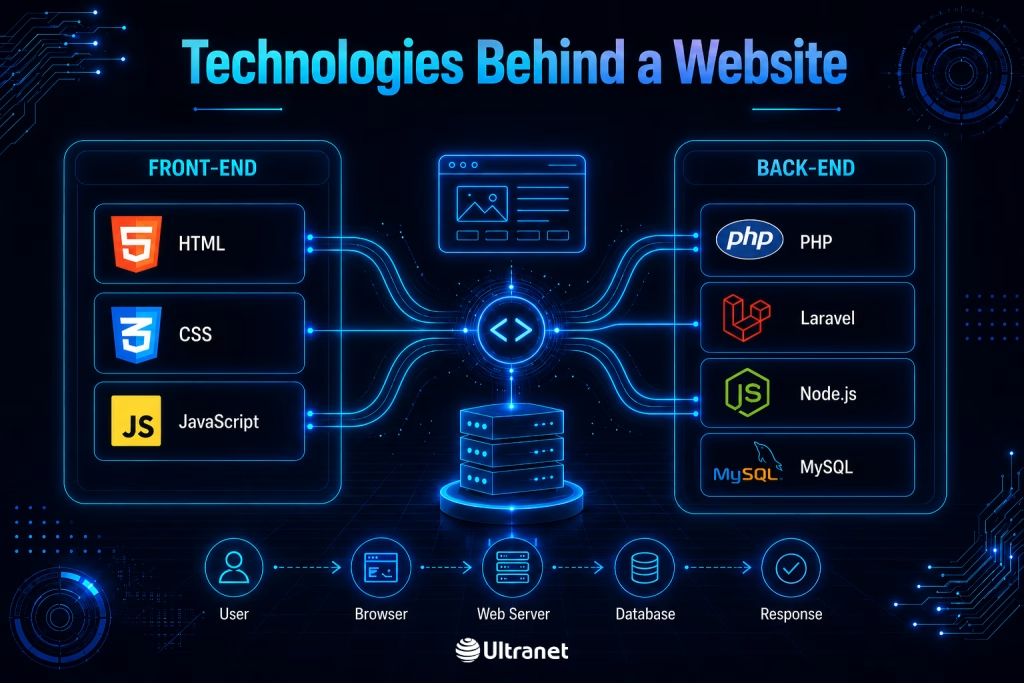
Web development relies on both front-end and back-end technologies.
Front-End Development
This is the part users interact with directly.
Common tools include:
- HTML
- CSS
- JavaScript
These technologies control layout, styling, and interactivity.
Back-End Development
This powers the logic behind the scenes.
Common technologies include:
- PHP
- Laravel
- Node.js
- MySQL
The chosen technology stack depends on the size and complexity of the project.
How the Website Development Process Works
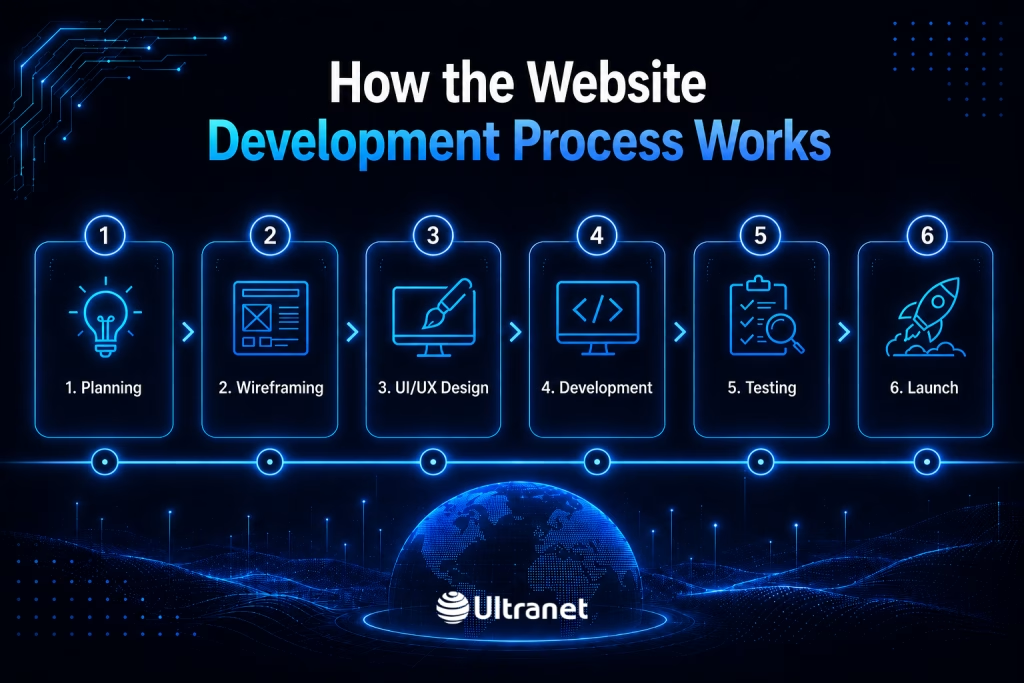
Building a website typically involves several structured stages:
1. Planning and Consultation
Understanding business goals, target audience, and required features.
2. Wireframing and Prototyping
Creating a blueprint of the website’s structure and user flow.
3. UI/UX Design
Designing the visual layout and ensuring a smooth user experience.
4. Development
Turning designs into a functional website through coding and system setup.
5. Testing
Checking for:
- Functionality
- Performance
- Mobile responsiveness
- Security issues
6. Launch
Deploying the website to a live server and making it accessible to users.
What Influences Website Development Costs?
Several factors affect pricing, including:
- Number of pages
- Design customisation
- Required features and integrations
- E-commerce functionality
- Project timeline
- Content creation needs
- Hosting and maintenance
The more complex and customized the project, the higher the investment.
Common Challenges in Website Projects
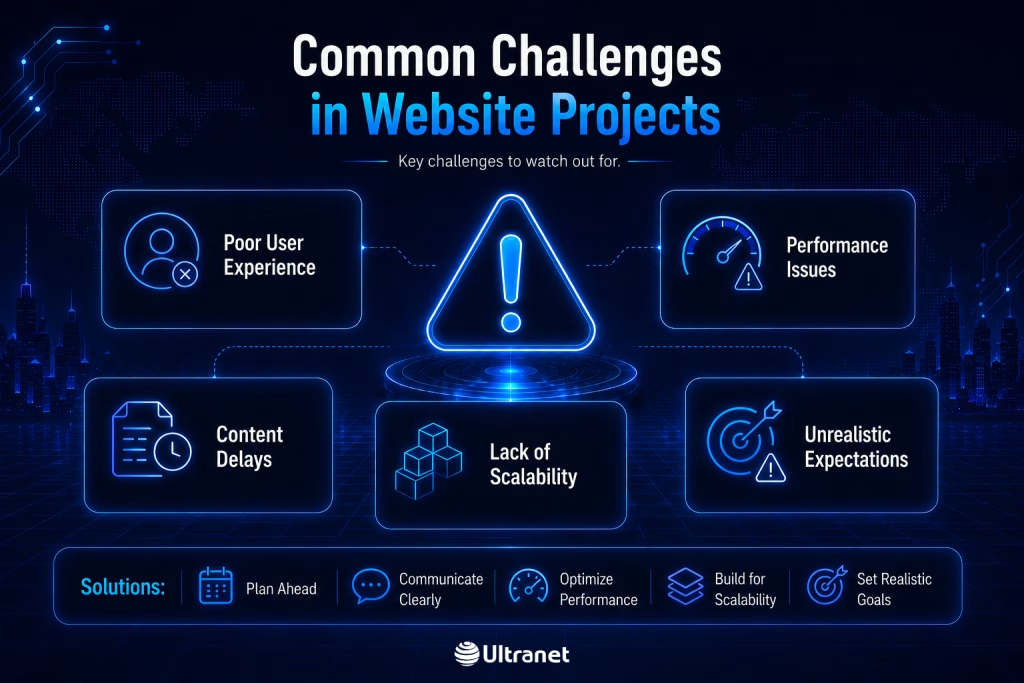
Without proper planning, website development can face several issues:
1. Poor User Experience
Even attractive websites can fail if navigation is confusing or content is hard to find.
2. Performance Issues
Slow loading speeds and unoptimised code can negatively impact both users and SEO.
3. Content Delays
Projects are often delayed due to missing content or late approvals.
4. Lack of Scalability
Some websites are not built for future growth, making updates difficult later on.
5. Unrealistic Expectations
Rushing complex projects can compromise quality and results.
6. Why Web Development Matters for Business Success
A well-developed website does more than exist online—it actively contributes to business growth.
It helps improve:
- Brand credibility
- Search engine visibility
- Lead generation
- Customer engagement
- Conversion rates
- Operational efficiency
When done right, your website becomes a long-term asset that supports your business goals.
Final Thoughts
Web development is more than just building a website—it’s about creating a digital platform that aligns with your business strategy.
From planning and design to development and optimisation, every step plays a role in the final outcome.
Whether you’re launching a new site or upgrading an existing one, understanding the process helps you make better decisions and avoid costly mistakes.
A successful website isn’t just visually appealing—it’s fast, functional, scalable, and built to deliver results.
Frequently Asked Questions (FAQ)
1. How long does it take to develop a business website?
The development timeline depends on the website’s size, features, design complexity, and content requirements. A simple website may take a few weeks, while a more customised or complex website may require several months.
2. How much does website development cost in Malaysia?
Website development costs in Malaysia vary depending on factors such as the number of pages, custom design, required functionality, integrations, e-commerce features, and maintenance requirements. Custom-built websites generally cost more than template-based websites.
3. Can a website help my business generate more leads?
Yes. A properly developed website can support lead generation through contact forms, enquiry buttons, landing pages, calls-to-action, SEO, live chat, and other conversion-focused features.
4. Does a business website require ongoing maintenance?
Yes. Regular website maintenance helps keep your website secure, updated, fast, and functioning properly. Maintenance may include software updates, backups, security monitoring, performance optimisation, and content updates.
5. When should a business consider redesigning its website?
A website redesign may be necessary if your current website is outdated, slow, difficult to use on mobile devices, generating few enquiries, difficult to maintain, or no longer reflects your brand and business goals.