
Can AI replace SEO experts? As AI tools like ChatGPT, Jasper and Copy.ai become more accessible, many business owners are reconsidering whether they still need an SEO agency.
If content can be created instantly at a fraction of the cost, is there still a need to hire an SEO agency?
It’s a logical question—but the answer isn’t as simple as it seems. While AI has made content production faster and more accessible, it doesn’t replace the full scope of what SEO actually involves.
Let’s break down where AI shines, where it struggles, and why human expertise still plays a critical role.
Where AI Tools Perform Well
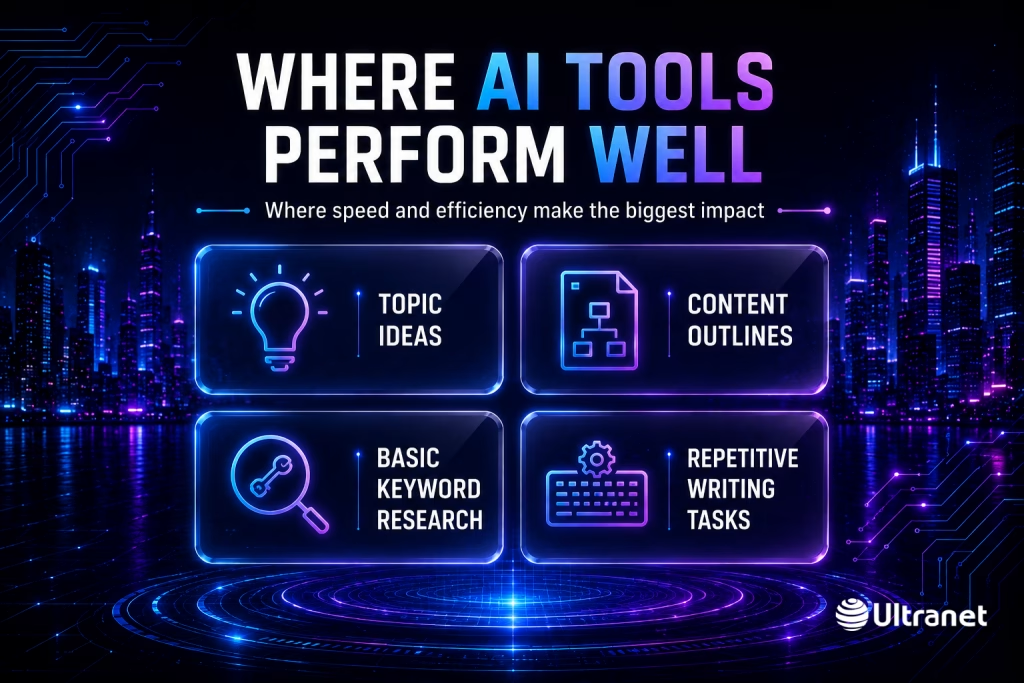
AI has become a valuable assistant in digital marketing, especially when it comes to speed and efficiency.
It is particularly useful for:
- Generating topic ideas and content outlines
- Producing large volumes of written content quickly
- Supporting basic keyword research
- Automating repetitive writing tasks
These capabilities make AI a great tool for saving time and increasing productivity. However, fast output does not always translate into meaningful results.
The Limitations of AI in SEO
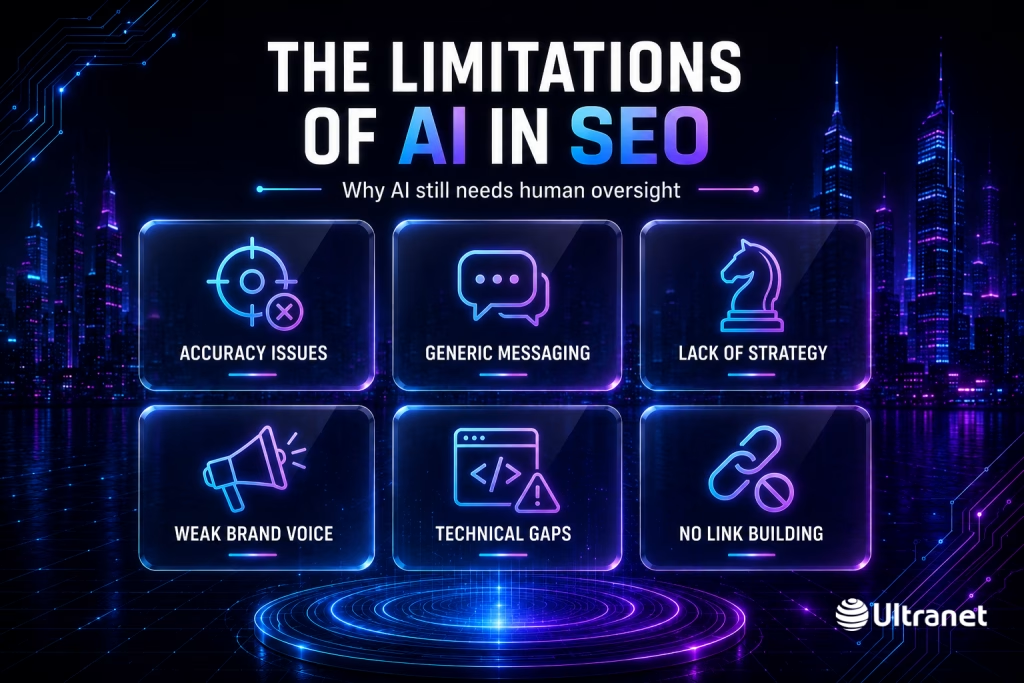
Despite its advantages, AI has several gaps that can affect your SEO performance if used without proper oversight.
Accuracy Isn’t Guaranteed
AI-generated content may contain outdated or incorrect information. Since it doesn’t verify facts independently, relying on it without editing can harm your credibility.
No Real Understanding of Your Business
AI doesn’t truly understand your brand, your audience, or your market position. It generates content based on patterns, which often results in generic messaging.
Lack of Strategy
SEO is not just about publishing content—it’s about planning, positioning, and long-term growth.
AI cannot create a tailored strategy that aligns with your specific business goals.
Weak Brand Voice
Strong content connects with readers on a human level. AI often struggles to capture tone, personality, and authenticity, making content feel less engaging.
Repetitive and Generic Output
Without direction, AI tends to produce content that lacks originality. Search engines increasingly prioritise unique, experience-driven content—something AI alone cannot consistently deliver.
Technical SEO Requires Expertise
AI tools can highlight issues, but they cannot implement fixes.
Tasks such as improving site structure, managing redirects, or optimising page speed require hands-on technical skills.
Limited Ability to Analyse and Adapt
While AI can generate reports, it doesn’t interpret data in a meaningful business context. It also doesn’t adjust strategies based on algorithm updates or changing trends.
No Off-Page SEO Capabilities
Building backlinks and authority requires outreach and relationship-building—something AI cannot do.
No Brand Positioning or Reputation Management
SEO today goes beyond rankings. It involves building trust, authority, and brand recognition—all of which require human involvement.
What an SEO Agency Actually Does
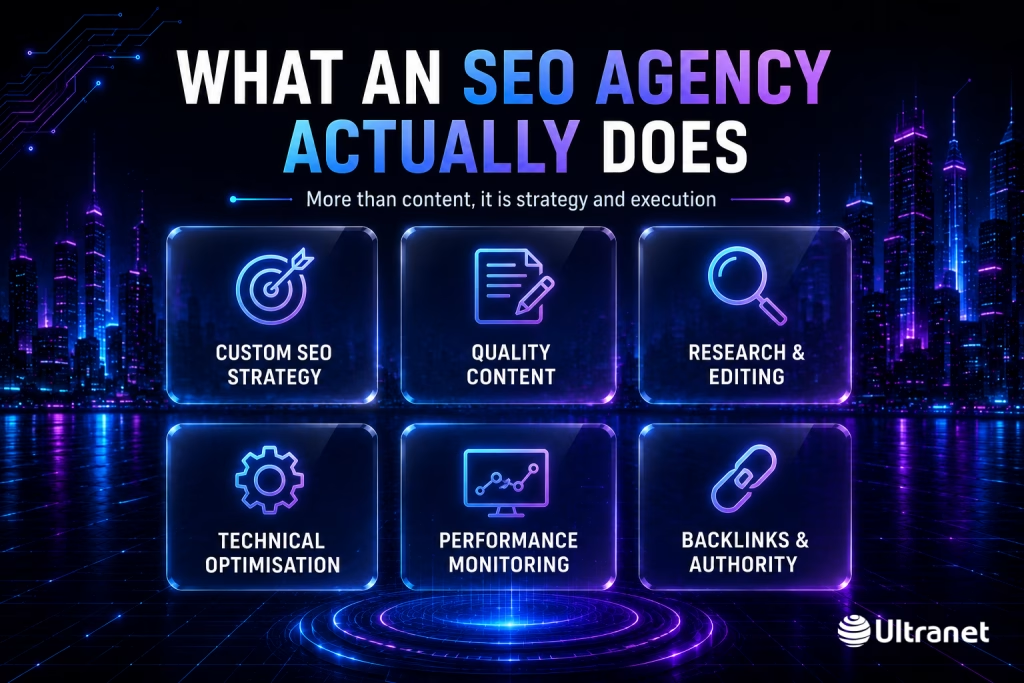
A professional SEO agency doesn’t just create content—it builds a complete strategy around your business.
By combining tools like AI with human expertise, agencies can:
- Develop a customised SEO plan
- Create high-quality, audience-focused content
- Ensure accuracy through research and editing
- Optimise technical aspects of your website
- Monitor performance and refine strategies
- Build backlinks and industry connections
- Strengthen brand authority over time
This combination of strategy, execution, and ongoing improvement is what drives sustainable results.
AI vs SEO Agency: What’s the Difference?
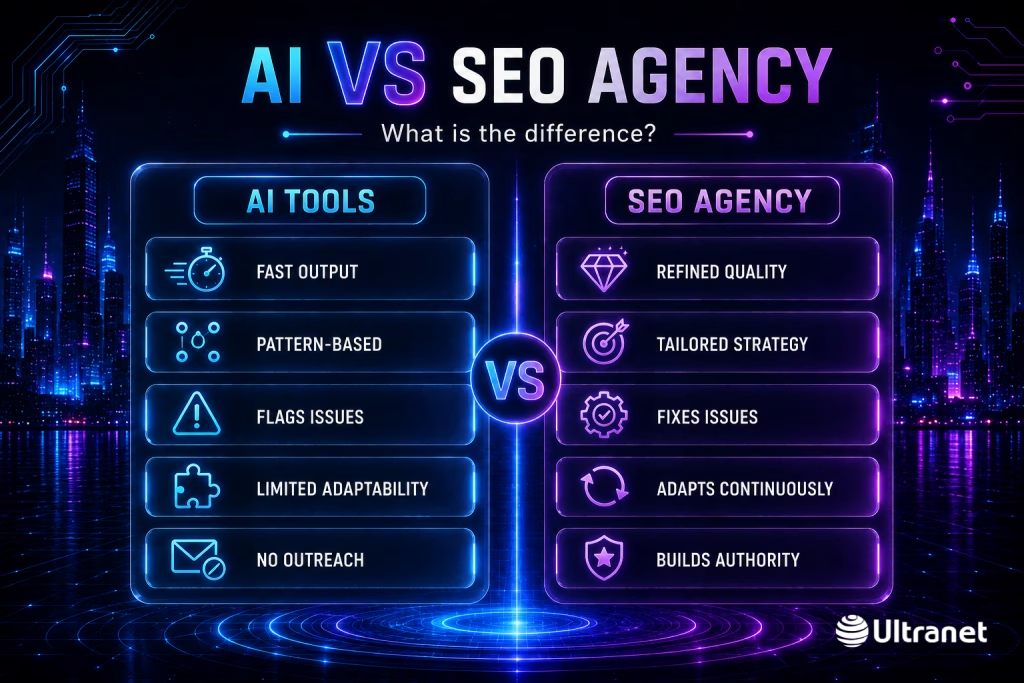
Here’s how they compare:
- Content creation
AI produces content quickly, while agencies refine it for quality and impact - Strategy
AI follows patterns, while agencies create tailored plans based on goals - Technical SEO
AI identifies issues, but agencies fix and optimise them - Adaptability
AI remains static, while agencies adjust strategies based on performance - Authority building
AI cannot build relationships, but agencies develop backlinks and credibility
The Best Approach: Combining AI with Human Expertise
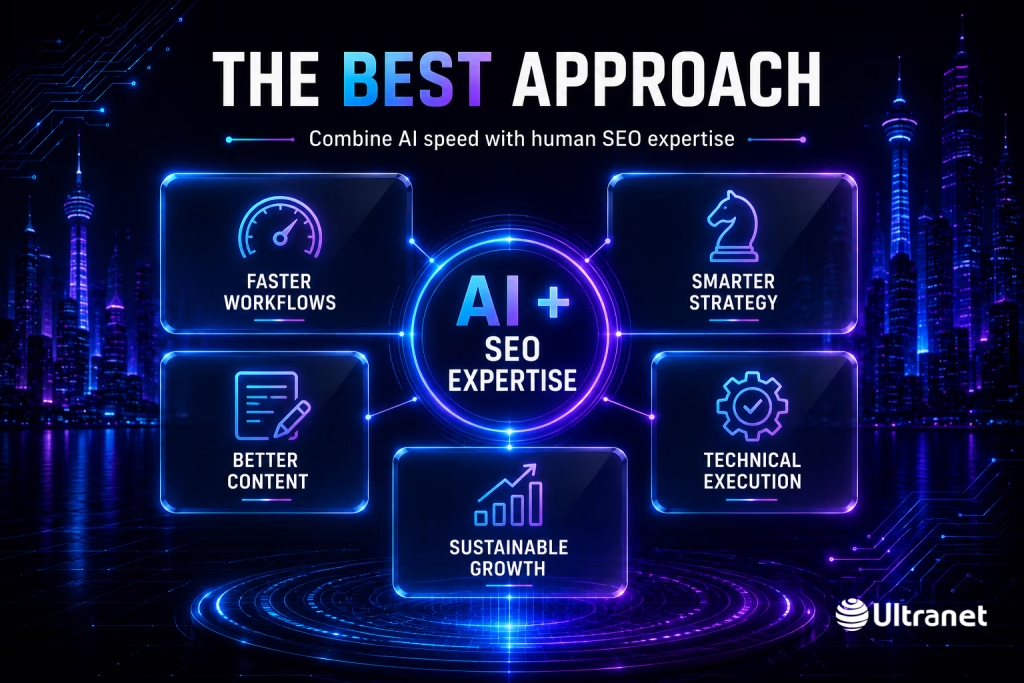
Instead of replacing SEO professionals, AI works best as a supporting tool.
Businesses that see the best results typically use:
- AI for speed and efficiency
- Human expertise for strategy, creativity, and execution
This balanced approach ensures that content is not only produced quickly but also performs effectively.
Final Thoughts
AI has changed the way content is created—but it hasn’t replaced the need for SEO expertise.
While it can assist with writing and automation, it lacks the ability to understand your business, build a strategy, and adapt to changes in the digital landscape.
For businesses that want long-term growth, human-led SEO remains essential.
Because in the end, success isn’t just about creating content—it’s about creating content that ranks, engages, and drives real results.
Frequently Asked Questions
1. Can AI completely replace an SEO expert?
No. AI can assist with content creation, keyword ideas, research, and repetitive tasks, but it cannot fully replace an SEO expert. Effective SEO still requires strategic planning, technical implementation, competitor analysis, brand understanding, and continuous optimisation.
2. Is AI-generated content good for SEO?
AI-generated content can support SEO when it is carefully reviewed, edited, fact-checked, and improved by a human. Publishing unedited AI content may result in inaccurate, repetitive, or generic information that provides limited value to readers.
3. Can Google detect AI-generated content?
Search engines focus primarily on content quality, usefulness, relevance, and originality rather than simply whether AI was used. Businesses should avoid publishing low-quality or mass-produced content and ensure every page genuinely answers the user’s search intent.
4. What SEO tasks can AI help with?
AI can help generate content ideas, create outlines, summarise information, suggest keywords, draft meta descriptions, organise research, and speed up repetitive writing tasks. However, its output should always be reviewed by someone with SEO and industry knowledge.
5. What is the best way to use AI for SEO?
The most effective approach is to use AI as a supporting tool rather than a replacement for human expertise. AI can improve speed and productivity, while SEO professionals provide strategy, creativity, quality control, technical implementation, and ongoing optimisation.