
Artificial intelligence has rapidly become part of the creative process. Today, tools can generate layouts, write website copy, suggest design ideas, and even build simple sites in minutes.
With these advancements, a common question has emerged: What is the role of human designers in the age of AI? If AI can design so quickly, do businesses still need web designers?
It’s a valid concern. As AI tools become more advanced, it’s easy to assume that web design can be fully automated. But while technology can assist with speed and efficiency, it cannot replace the deeper value that human designers bring.
At Ultranet, design is not just about assembling elements on a screen—it’s about understanding people, solving real problems, and shaping meaningful digital experiences. And that’s where humans still lead.
Design Starts with Understanding People
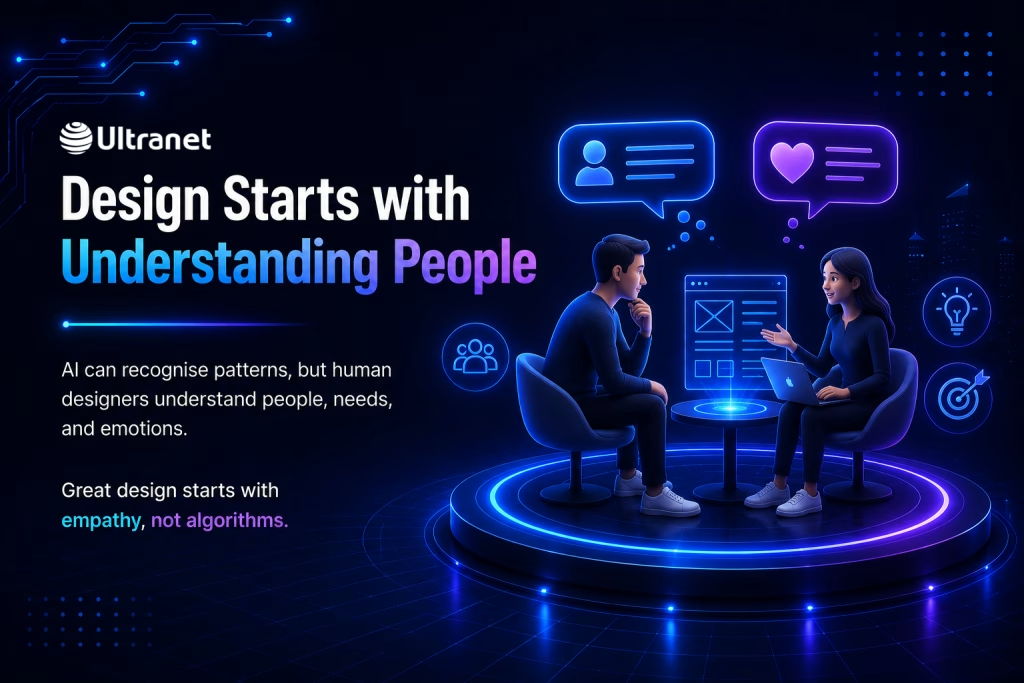
AI can analyse patterns and generate outputs, but it doesn’t truly understand human behaviour.
Designers do much more than follow instructions. They interpret unclear ideas, ask thoughtful questions, and uncover what clients actually need—even when those needs aren’t clearly expressed.
For example, when a client says they want something “modern” or “premium,” those words can mean different things depending on context. A designer bridges that gap by translating vague concepts into clear, purposeful design decisions.
This level of understanding comes from empathy, not algorithms.
Experience Shapes Better Decisions
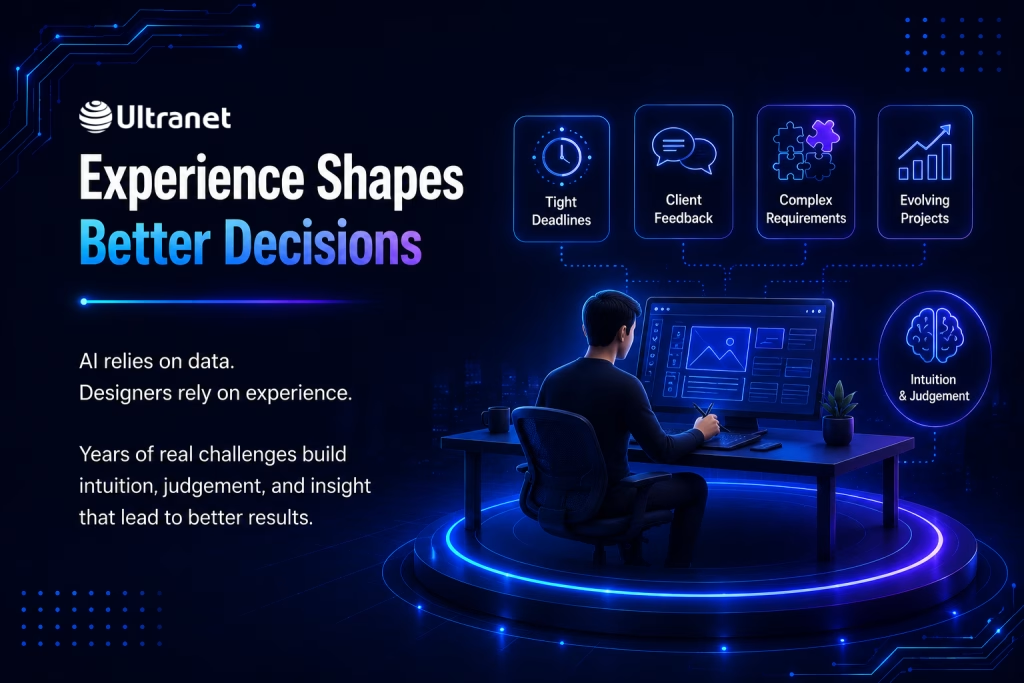
AI relies on data. Designers rely on experience.
Over time, designers build practical knowledge by working through real challenges—tight deadlines, evolving project scopes, difficult feedback, and complex business requirements.
This hands-on experience develops intuition and judgement. Designers learn not just what looks good, but what works in real-world situations and why.
That kind of insight can’t be generated instantly—it’s built through years of practice.
Adapting to Change Requires Human Thinking
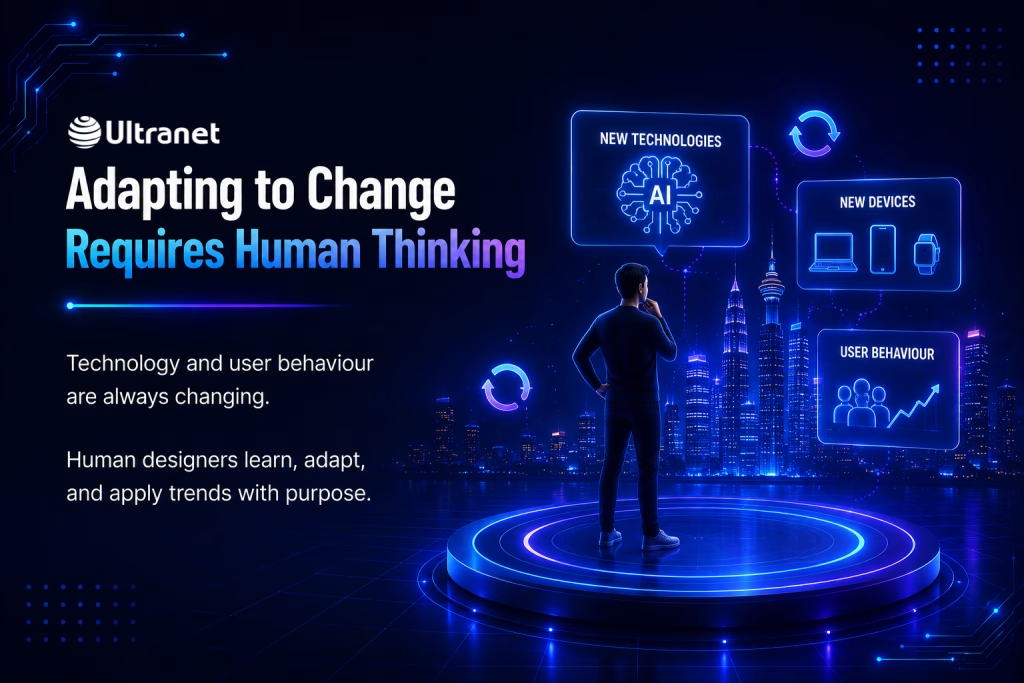
The digital landscape is constantly evolving. New technologies, devices, and user behaviours reshape how websites are designed and used.
Human designers adapt by learning, observing, and making informed decisions in changing environments. They interpret trends and apply them in ways that make sense for each project.
AI, on the other hand, depends on existing data and predefined systems. While it can follow trends, it doesn’t actively evolve with purpose or intent.
Designers don’t just follow change—they make sense of it.
Strategy Goes Beyond Visual Output
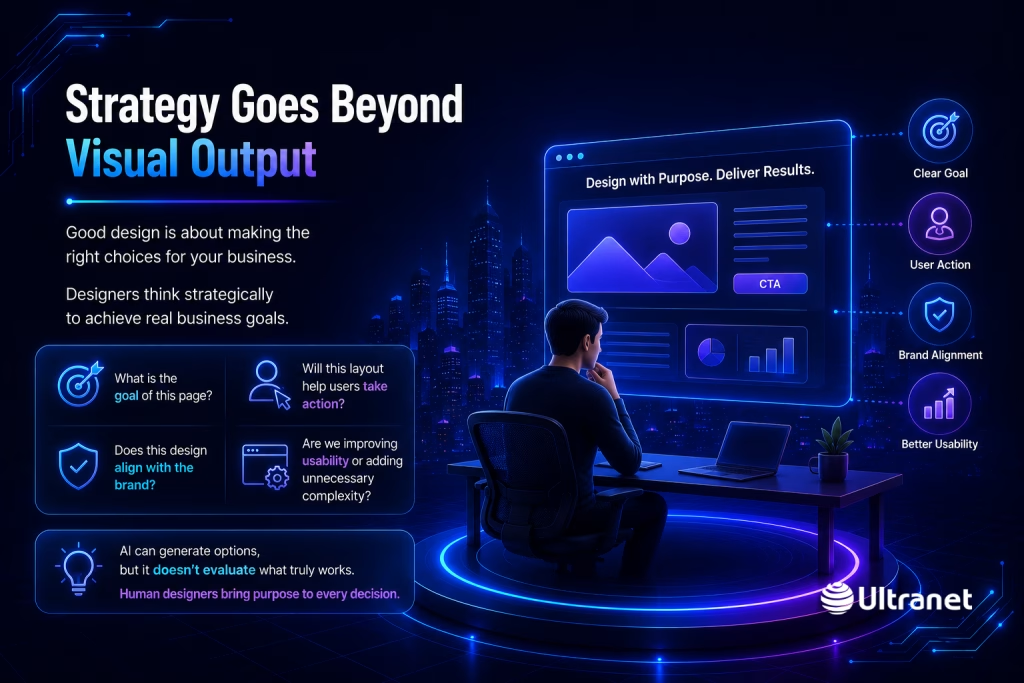
Many clients request designs based on what they’ve seen elsewhere. But effective design isn’t about copying trends—it’s about making the right choices for a specific business.
Designers think strategically by asking questions like:
- What is the goal of this page?
- Will this layout help users take action?
- Does this design align with the brand?
- Are we improving usability or adding unnecessary complexity?
AI can generate options, but it doesn’t evaluate whether those options actually support business objectives.
Human designers bring purpose into every decision.
Trust Is Built Through Human Interaction
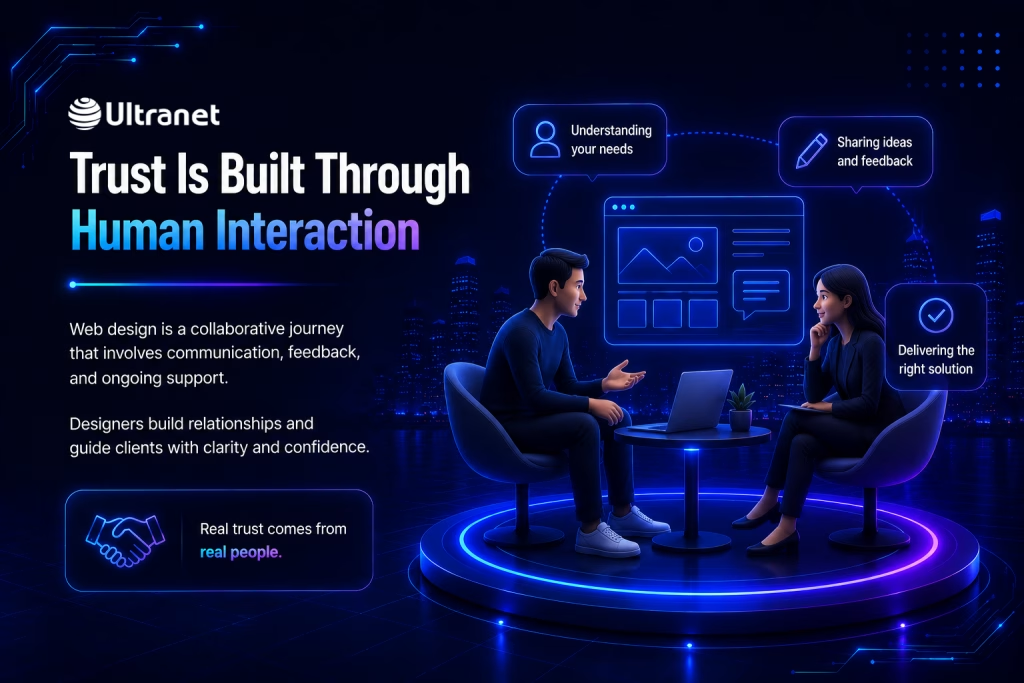
A website project is rarely just about delivering a final product. It involves communication, feedback, revisions, and ongoing collaboration.
Clients often need guidance, reassurance, and clarity throughout the process. Designers provide that through clear communication and relationship-building.
They act as advisors, helping clients feel confident about their decisions—even when those decisions are complex or unfamiliar.
This level of trust cannot be replicated by automation.
Cultural Context Shapes Effective Design
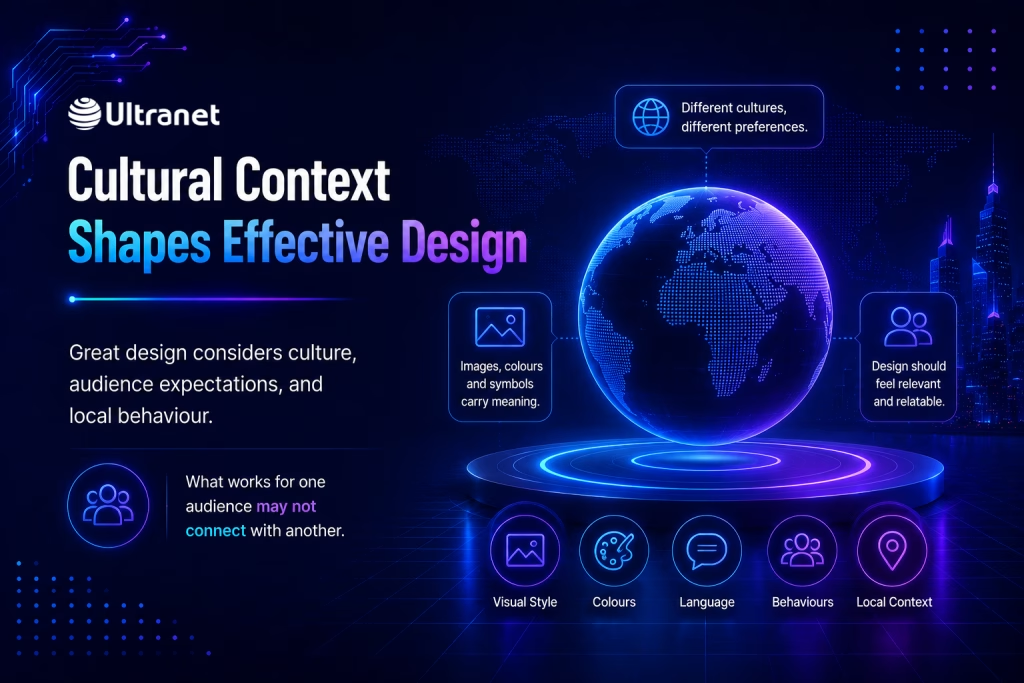
Design is influenced by culture, audience expectations, and local behaviour.
What works in one region may not resonate in another. Colours, imagery, tone, and layout preferences all carry different meanings depending on context.
Designers who understand their audience can make informed choices that feel relevant and appropriate.
AI may recognise patterns, but it doesn’t truly understand cultural nuance or emotional context.
Branding Requires Interpretation

A website represents more than information—it represents a brand.
Every design decision communicates something about the business. Designers interpret brand identity and translate it into a digital experience that feels consistent and meaningful.
This involves questions like:
- What impression should users take away?
- How should the brand feel online?
- What design choices reinforce credibility and trust?
AI can generate visually appealing designs, but it doesn’t understand brand identity on a deeper level.
Designers Solve Problems, Not Just Layouts
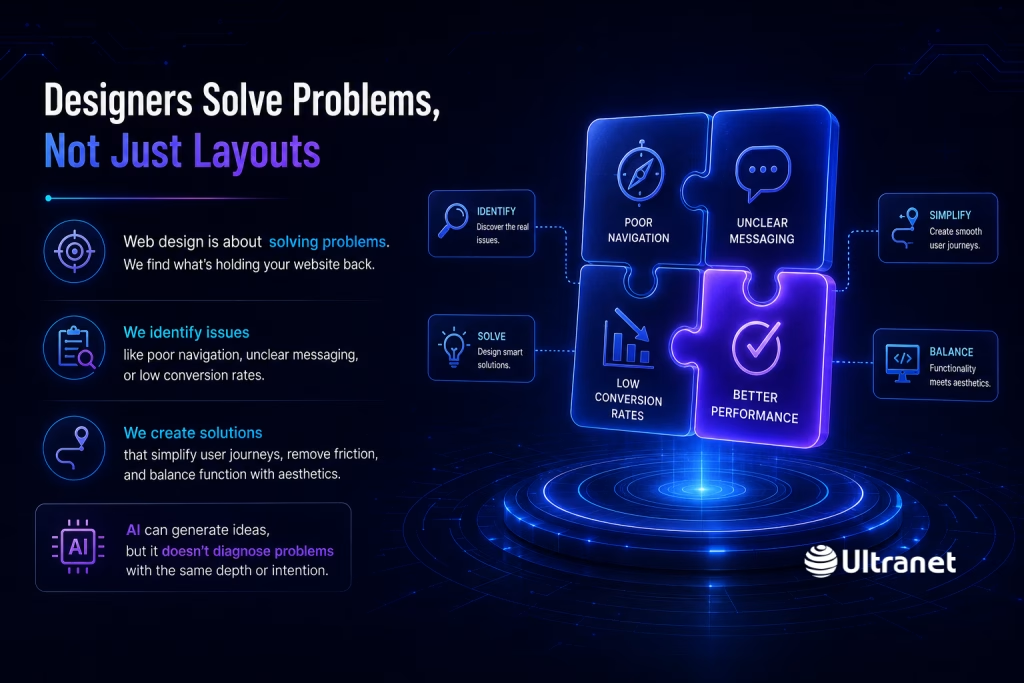
At its core, web design is about solving problems.
A website might struggle because of poor navigation, unclear messaging, or low conversion rates. Designers identify these issues and create solutions that improve performance.
They simplify user journeys, remove friction, and balance functionality with aesthetics.
AI can assist with generating ideas, but it doesn’t diagnose problems with the same depth or intention.
Collaboration Drives Better Results
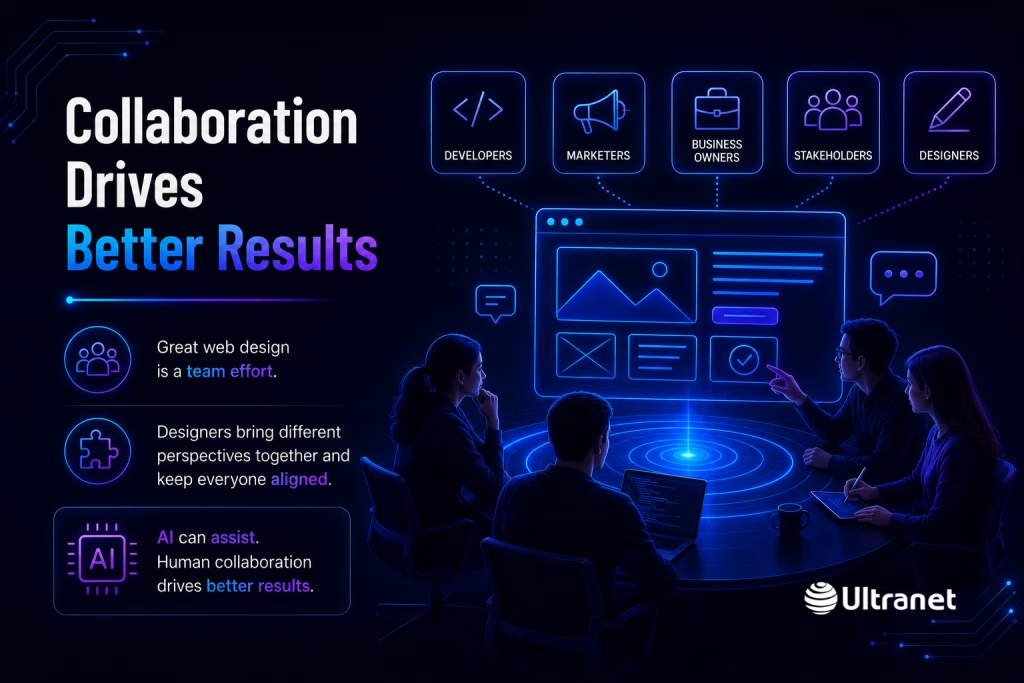
Web design is rarely a solo effort. It involves working with developers, marketers, business owners, and other stakeholders.
Designers bring these perspectives together, balancing different priorities while maintaining a clear direction.
They communicate ideas, manage feedback, and ensure that the final outcome aligns with both creative and business goals.
AI cannot replace this human collaboration.
Ethics Still Require Human Responsibility
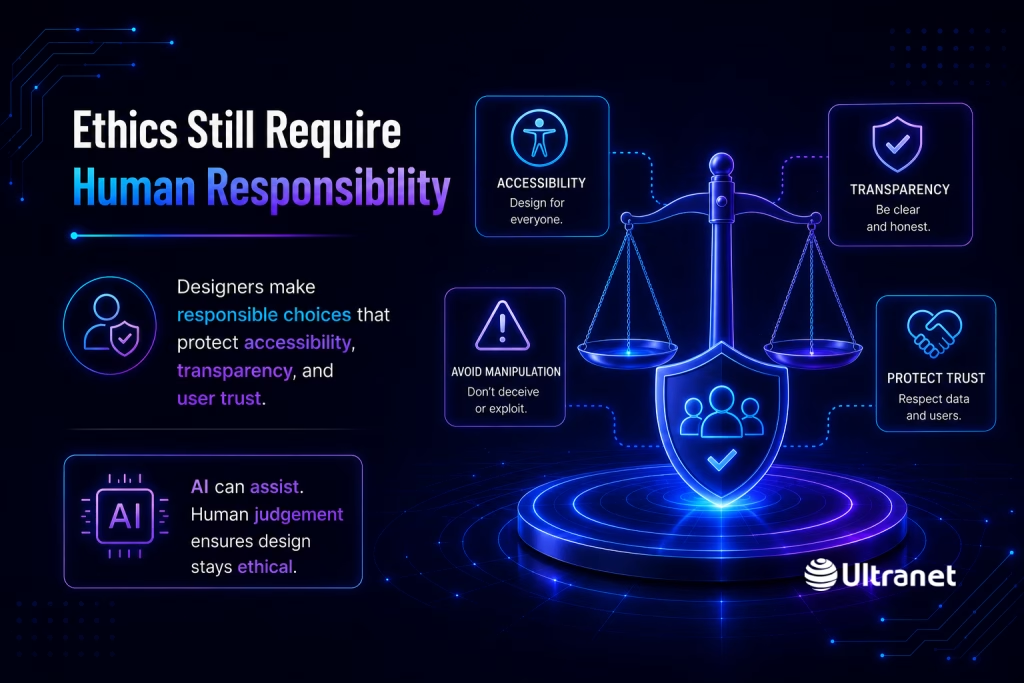
Design decisions can influence how users think, feel, and behave. Because of this, designers carry ethical responsibility.
They consider factors such as:
- Accessibility for all users
- Transparency and honesty
- Avoiding manipulative design tactics
- Protecting user trust
These decisions require judgement and accountability—something AI does not possess.
Where AI Fits in the Design Process
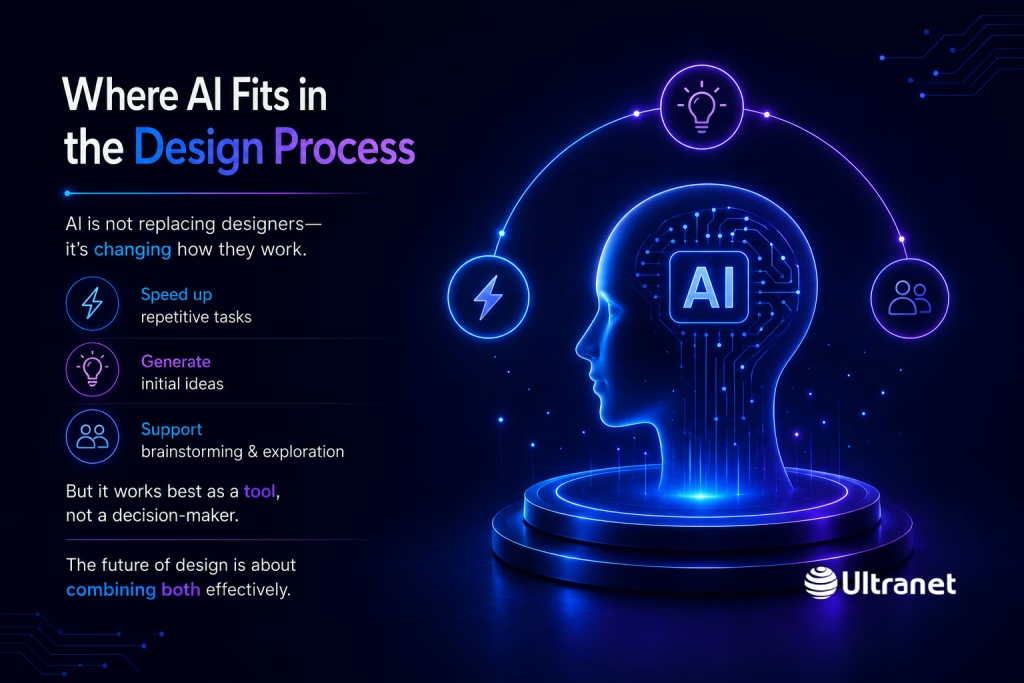
AI is not replacing designers—it’s changing how they work.
When used correctly, AI can:
- Speed up repetitive tasks
- Generate initial ideas
- Support brainstorming and exploration
But it works best as a tool, not a decision-maker.
The future of design is not about choosing between humans and AI—it’s about combining both effectively.
Final Thoughts
Web designers are valuable not just because they create visuals, but because they bring understanding, strategy, and human insight into every project.
They interpret ideas, adapt to change, collaborate with people, and design with purpose.
As technology continues to evolve, these human qualities become even more important.
AI may improve the tools we use—but it doesn’t replace the thinking behind great design.
And that’s what truly makes the difference.
Frequently Asked Questions (FAQ)
1. Will AI replace web designers in the future?
AI is unlikely to completely replace web designers. While AI can automate repetitive tasks, generate design concepts, and speed up certain parts of the creative process, human designers provide strategic thinking, empathy, creativity, and problem-solving skills that AI cannot fully replicate. The future will likely involve designers using AI as a tool to work more efficiently.
2. Can AI design a complete website?
AI tools can generate layouts, content, images, and even basic websites. However, creating an effective business website requires more than assembling these elements. Professional web designers consider user experience, branding, accessibility, conversion goals, technical requirements, and long-term scalability to create a website that supports real business objectives.
3. How can web designers use AI effectively?
Web designers can use AI to speed up repetitive tasks, explore initial design concepts, brainstorm ideas, generate placeholder content, and support research. By allowing AI to handle certain time-consuming tasks, designers can spend more time focusing on strategy, creativity, user experience, and problem-solving.
4. Is AI-generated web design suitable for businesses?
AI-generated designs can be useful for simple websites, early concepts, or businesses with basic requirements. However, companies that need a strong brand identity, customised functionality, better user experiences, or conversion-focused strategies may benefit more from working with experienced web designers who can tailor the website to their specific goals.
5. Should I hire a web designer or use an AI website builder?
The right choice depends on your goals. An AI website builder may be suitable for a simple website with straightforward requirements. However, if your business needs a customized website, professional branding, strategic user experience, unique functionality, or long-term scalability, working with a professional web design team is usually the better option.