
Creating or upgrading a website is a major decision for any business. One of the first things most owners want to know is simple:
How much is this going to cost?
The reality is that there isn’t a one-size-fits-all answer. Website pricing in Malaysia can vary widely depending on what you need, how customised the design is, and the level of functionality involved.
Instead of guessing, it’s more useful to understand what goes into the cost—so you can plan your budget wisely and avoid surprises later.
What Does a Website Typically Cost in Malaysia?
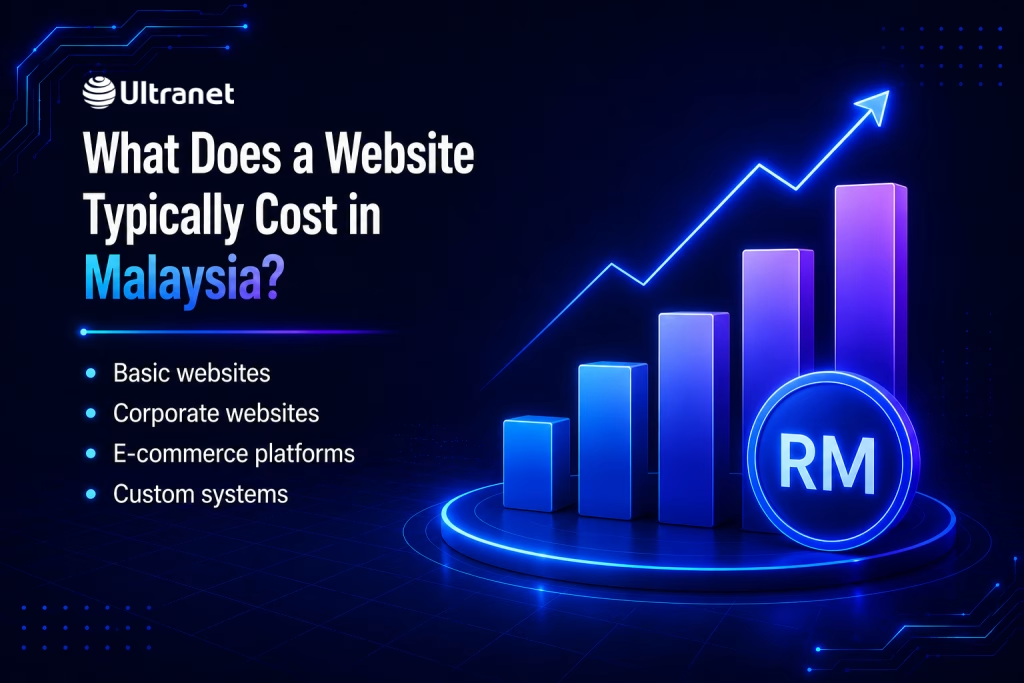
Website prices in Malaysia can range from a few thousand ringgit to well over RM100,000, depending on the type of project.
Here’s a simplified breakdown:
- Basic websites – affordable options for simple online presence
- Corporate websites – mid-range pricing for branded business sites
- E-commerce platforms – higher cost due to selling features
- Custom systems – premium investment for complex, tailored solutions
Each category reflects the level of work, design effort, and technical requirements involved.
Breaking Down Different Types of Websites
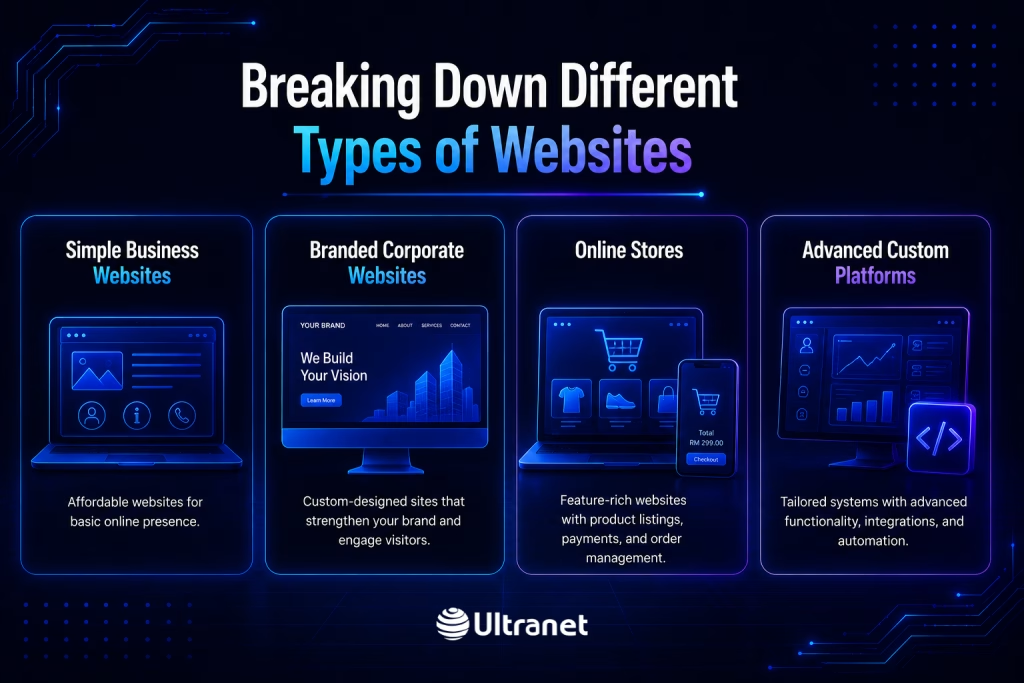
Understanding the type of website you need is the first step in estimating cost.
1. Simple Business Websites
These are ideal for startups or small businesses that just need a basic online presence.
They typically include a homepage, company information, and a contact page. While they are cost-effective, they are limited in features and customisation.
2. Branded Corporate Websites
For businesses that want a stronger online identity, custom-designed websites offer more flexibility.
These sites are built to reflect brand personality, improve user experience, and engage visitors more effectively—requiring more design and development effort.
3. Online Stores
E-commerce websites involve much more than just design. They require systems for product listings, payments, and order management.
Platforms like Shopify or WooCommerce are commonly used, but customisation and integration still add to the overall cost.
4. Advanced Custom Platforms
Larger businesses may require fully customised systems, such as client portals or internal dashboards.
These projects are more complex and often involve system integrations, automation, and tailored functionality—making them the most expensive category.
What Actually Affects Website Pricing?
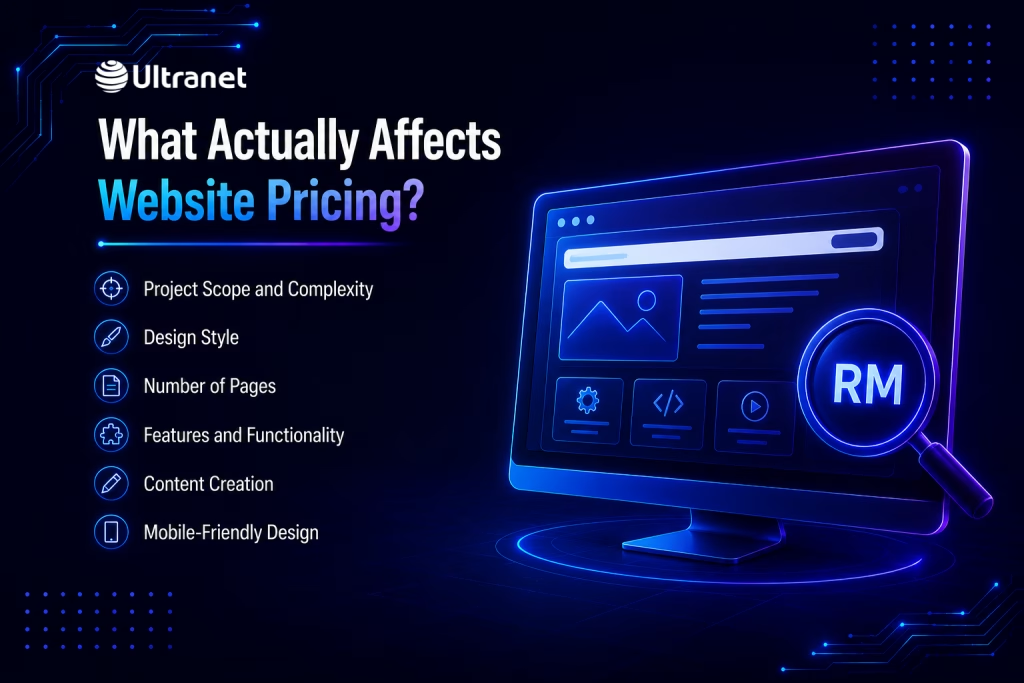
Website costs are shaped by several key factors. Knowing these helps you make better decisions and avoid unnecessary spending.
1. Project Scope and Complexity
The more features your website requires, the more time and resources it will take to build.
A simple informational site is quick to develop, while platforms with advanced functionality require significantly more work.
2. Design Style
There are two main approaches:
- Template-based design: faster and more affordable
- Custom design: unique and tailored, but more expensive
If branding and uniqueness are important to you, investing in custom design is usually worthwhile.
3. Number of Pages
More pages mean more design work, more content, and more development time.
A small website will naturally cost less than one with extensive content.
4. Features and Functionality
Modern websites often include features such as:
- Booking systems
- Payment gateways
- User accounts
- Interactive elements
Each additional feature increases the complexity—and cost—of the project.
5. Content Creation
Content is often overlooked when budgeting.
If you need services like:
- Professional copywriting
- Image sourcing
- Video production
- Infographics
These will add to your overall cost, but they also enhance the quality and effectiveness of your website.
6. Mobile-Friendly Design
With most users browsing on smartphones, responsive design is essential.
Ensuring your website works seamlessly across different devices requires additional effort, but it is no longer optional.
Understanding Website Packages
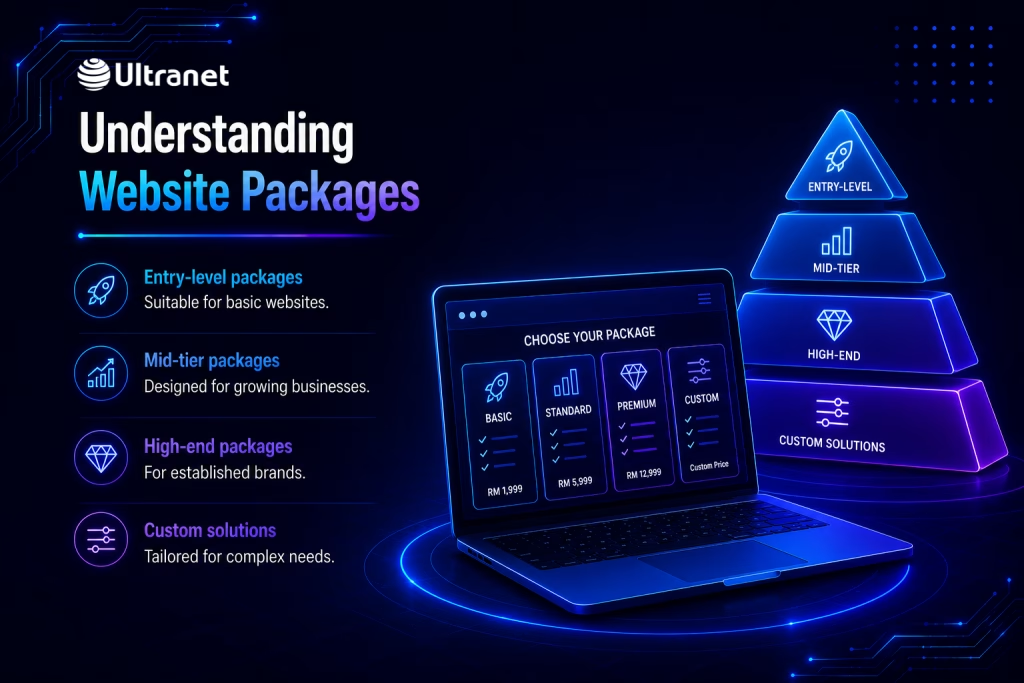
Many agencies simplify pricing by offering packages.
Here’s a general idea of how they are structured:
- Entry-level packages – suitable for basic websites
- Mid-tier packages – designed for growing businesses
- High-end packages – for established brands
- Custom solutions – tailored for complex needs
Each package typically includes different levels of design, functionality, and support. Always review the details carefully rather than relying on the package name alone.
Costs Beyond the Initial Build
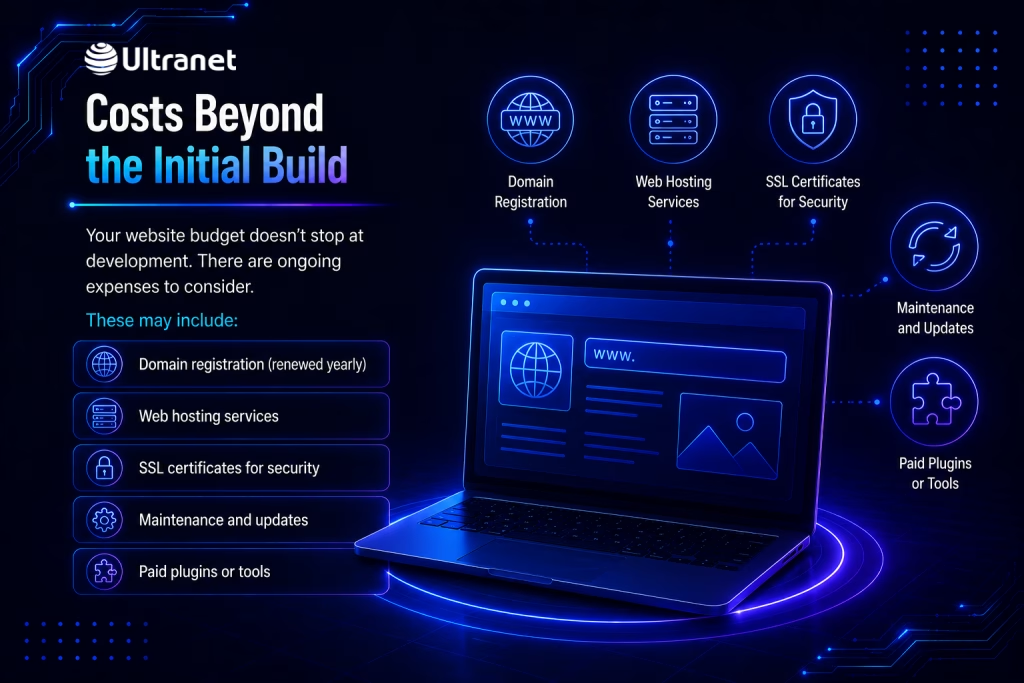
Your website budget shouldn’t stop at development. There are ongoing expenses to consider.
These may include:
- Domain registration (renewed yearly)
- Web hosting services
- SSL certificates for security
- Maintenance and updates
- Paid plugins or tools
Understanding these recurring costs early helps you plan more accurately.
Should You Build It Yourself or Hire Experts?
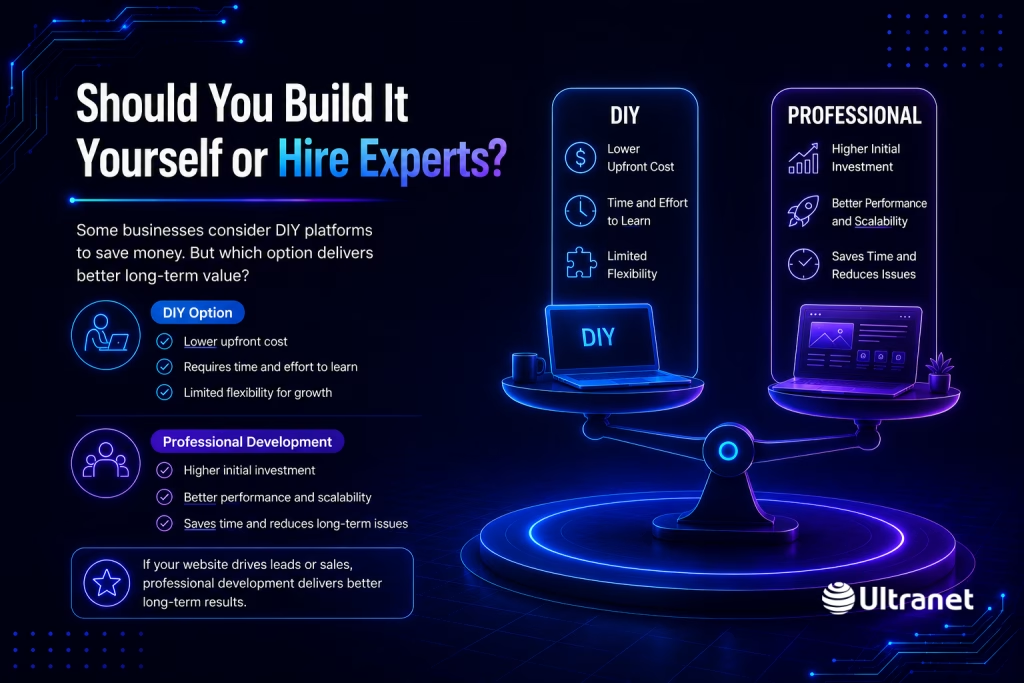
Some businesses consider DIY platforms like Wix or WordPress to save money.
1. DIY Option
- Lower upfront cost
- Requires time and effort to learn
- Limited flexibility for growth
2. Professional Development
- Higher initial investment
- Better performance and scalability
- Saves time and reduces long-term issues
If your website plays a key role in generating leads or sales, working with professionals often delivers better long-term results.
Choosing the Right Web Design Partner
Selecting a reliable agency is just as important as setting your budget.
When evaluating providers, consider:
- Their portfolio and past projects
- Client reviews and testimonials
- Their workflow and timelines
- Availability of post-launch support
- Transparency in pricing
- Understanding of SEO and performance
A good partner will focus not just on design, but on helping your website achieve real business goals.
Getting the Most Value from Your Website
To maximise your investment:
- Define clear objectives from the start
- Prepare content early
- Focus on essential features first
- Consider building in phases if needed
- Choose reliable hosting services
- Plan for ongoing improvements
A website should be treated as a long-term asset—not just a one-time project.
Planning for Future Growth
Your website should be able to grow with your business.
Think ahead about:
- Expanding into e-commerce
- Adding more content
- Supporting multiple languages
- Integrating with other systems
Building with scalability in mind helps you avoid costly redesigns later.
Final Thoughts
Website costs in Malaysia vary because every business has different needs.
While it may be tempting to go for the lowest price, the real focus should be on value—what you’re getting in return for your investment.
A well-built website does more than exist online. It strengthens your brand, builds trust with your audience, and supports your business growth over time.
Choose wisely, plan ahead, and invest in a website that truly works for you.
Frequently Asked Questions (FAQ)
1. How much does a website cost in Malaysia?
The cost of a website in Malaysia depends on the type of website, its features, and the level of customisation required. A basic business website is generally more affordable, while e-commerce websites and fully customised platforms require a higher investment due to their complexity.
2. Why do website prices vary so much?
Every website has different requirements. Factors such as the number of pages, custom design, integrations, booking systems, payment gateways, content creation, and SEO optimisation all influence the final price.
3. What ongoing costs should I expect after launching a website?
Besides the initial development cost, you should budget for recurring expenses such as:
- Domain name renewal
- Web hosting
- SSL certificates
- Website maintenance and updates
- Premium plugins or software subscriptions
- Content updates and SEO improvements (if required)
4. Can I upgrade my website later?
Yes. A professionally built website should be designed with future growth in mind. Features such as e-commerce functionality, multilingual support, customer portals, or third-party integrations can often be added as your business expands.
5. How do I choose the right web design company in Malaysia?
Look for a provider with a strong portfolio, positive client reviews, transparent pricing, clear communication, post-launch support, and experience building websites similar to your business needs. Choosing a partner that understands both web design and digital marketing can help maximise your return on investment.