


In today’s online-first landscape, your website is often the first impression people have of your business. Within seconds, visitors decide whether to stay, explore further, or leave.
Because of this, having the right business website features is essential. A website must do more than just look attractive. It needs to function smoothly, communicate clearly, and guide users toward taking meaningful actions—whether that’s making a purchase, sending an inquiry, or learning more about your services.
When built with the right features, a website becomes more than a digital brochure—it becomes a powerful tool for growth.
Why Website Functionality Is So Important
 A visually appealing website might capture attention, but functionality is what keeps users engaged.
If a site is difficult to use, slow to respond, or missing key features, visitors are likely to lose trust and move on. On the other hand, a well-functioning website helps businesses:
- Keep visitors interested and engaged
- Make information easy to find
- Support enquiries and sales
- Deliver a better overall user experience
- Collect valuable insights for improvement
In short, functionality is what transforms website traffic into real business results.
Must-Have Features for an Effective Website
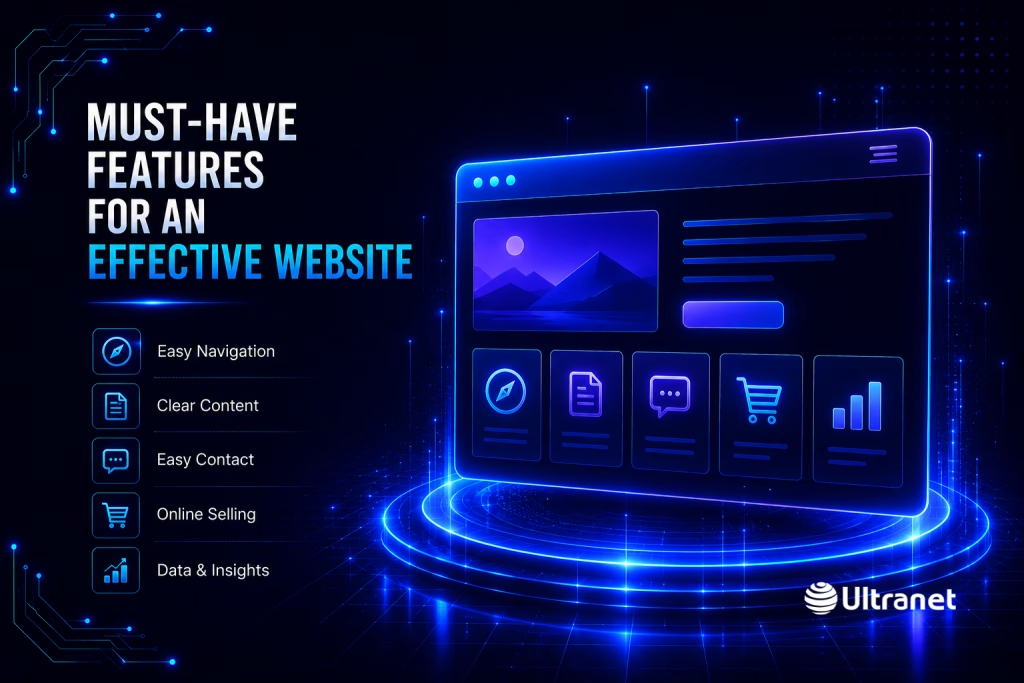
While different businesses have different goals, certain features are essential for most websites to perform well.
Easy-to-Use Navigation
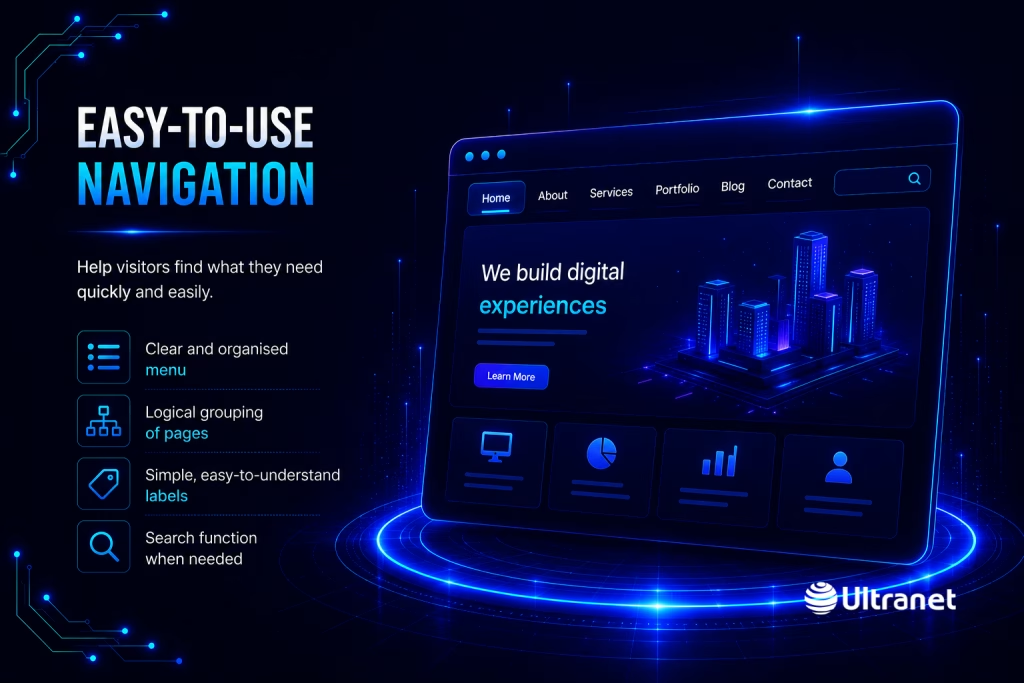
A website’s navigation acts like a roadmap for users. If visitors can’t find what they’re looking for quickly, they’re unlikely to stay.
Effective navigation should include:
- A clear and organised menu
- Logical grouping of pages
- Simple, easy-to-understand labels
- A search function when needed
When users can move around your site effortlessly, they’re more likely to explore and engage.
Clear and Engaging Content Layout

Good content is not just about information—it’s about presentation.
A well-structured website uses:
- Clear headings to guide readers
- Proper spacing for readability
- A strong visual hierarchy
- Supporting visuals such as images or videos
When content is easy to scan and understand, users are more likely to stay longer and absorb your message.
Simple Ways for Users to Get in Touch

Many visitors come to a website looking for answers or support. Providing quick and easy ways to connect can make a big difference.
Useful communication features include:
- Contact or enquiry forms
- Request-a-quote options
- Live chat support
- Messaging integrations like WhatsApp
These tools make it easier for potential customers to reach out, improving both response time and lead generation.
Built-In Online Selling Capabilities

For businesses offering products or services online, having strong e-commerce functionality is essential.
An effective online store should provide:
- Clear product listings and descriptions
- Secure and reliable payment methods
- A smooth and simple checkout process
- Order confirmations and tracking options
- Accessible customer support
When the buying process is easy and trustworthy, users are more likely to complete their purchases and return in the future.
Data Tracking and Insights
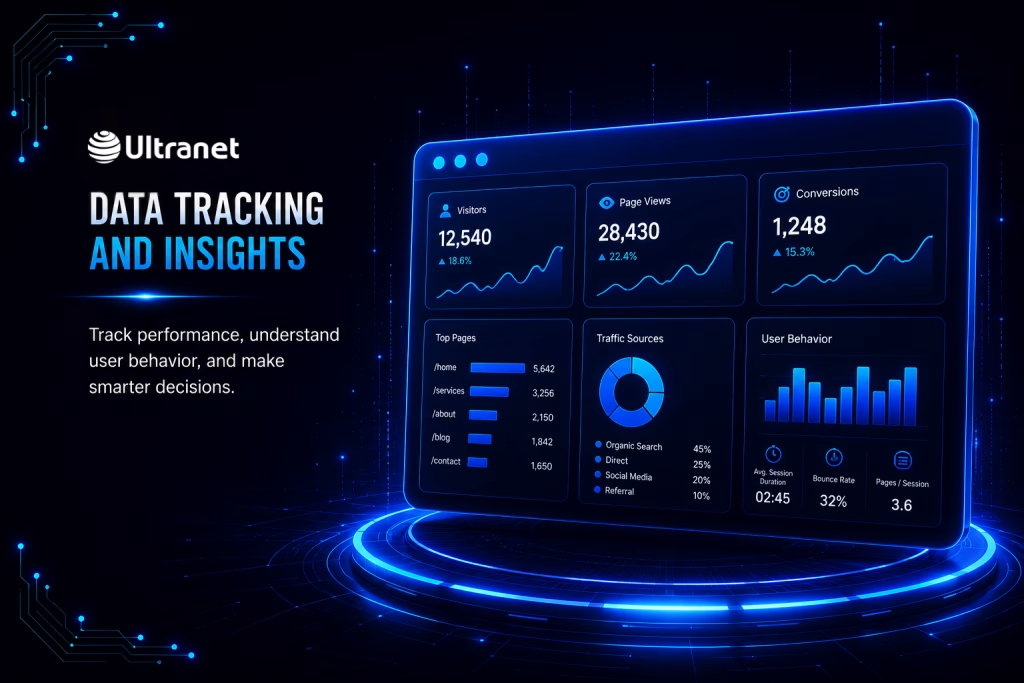
One of the most valuable aspects of a website is its ability to provide data about user behaviour.
Tools like Google Analytics help businesses understand:
- Which pages attract the most visitors
- Where users tend to leave the site
- What actions users take
- How conversions happen
With these insights, businesses can continuously improve their website based on real data rather than assumptions.
How Website Features Drive Business Growth

A well-designed website doesn’t just look good—it actively supports your business goals at every stage of the customer journey.
Making a Strong First Impression
The moment someone lands on your website, they begin forming an opinion about your brand.
A fast, clean, and user-friendly site builds trust immediately. On the other hand, a slow or confusing website can drive potential customers away before they even explore your offerings.
Helping Users Take the Next Step
Once visitors are on your site, the goal is to guide them toward action.
Features like:
- Clear calls-to-action
- Helpful FAQ sections
- Easy navigation
- Accessible contact options
- Smooth checkout systems
all reduce friction and make it easier for users to become customers.
Continuous Improvement Through Insights
A successful website is never truly “finished.” By analysing user behaviour, businesses can identify areas for improvement and make data-driven updates.
Over time, this leads to:
- Higher conversion rates
- Lower bounce rates
- Better user engagement
- Stronger overall performance
Final Thoughts
The best websites combine strong design with practical functionality. They are easy to navigate, simple to understand, and built with clear goals in mind.
By focusing on essential features like navigation, content structure, communication tools, e-commerce capabilities, and analytics, businesses can create websites that do more than just exist—they perform.
When everything works together seamlessly, your website becomes more than an online presence. It becomes a key driver of trust, engagement, and long-term success.
Frequently Asked Questions (FAQ)
1. Why is website functionality important for a business?
Website functionality directly affects how easily visitors can find information, interact with your business, and take action. A smooth and user-friendly website can increase engagement, generate more enquiries, build trust, and improve conversion rates.
2. How can a website help a business grow?
A well-designed website can attract potential customers, showcase products and services, generate leads, support online sales, and provide valuable insights into customer behaviour. It also gives businesses a professional online presence that is accessible around the clock.
3. How can businesses track their website performance?
Businesses can use analytics tools such as Google Analytics to understand website traffic, popular pages, user behaviour, traffic sources, and conversions. These insights can help identify areas for improvement and support better data-driven decisions.
4. How often should a business website be updated?
A business website should be reviewed regularly to ensure its content, features, security, and information remain up to date. Regular improvements based on customer needs and website performance data can help the site remain relevant and effective over time.
5. What makes a business website successful?
A successful business website combines professional design, useful content, reliable functionality, strong performance, and a clear user journey. Most importantly, it should make it easy for visitors to understand the business and take the next step, whether that means making an enquiry, requesting a quote, or completing a purchase.